


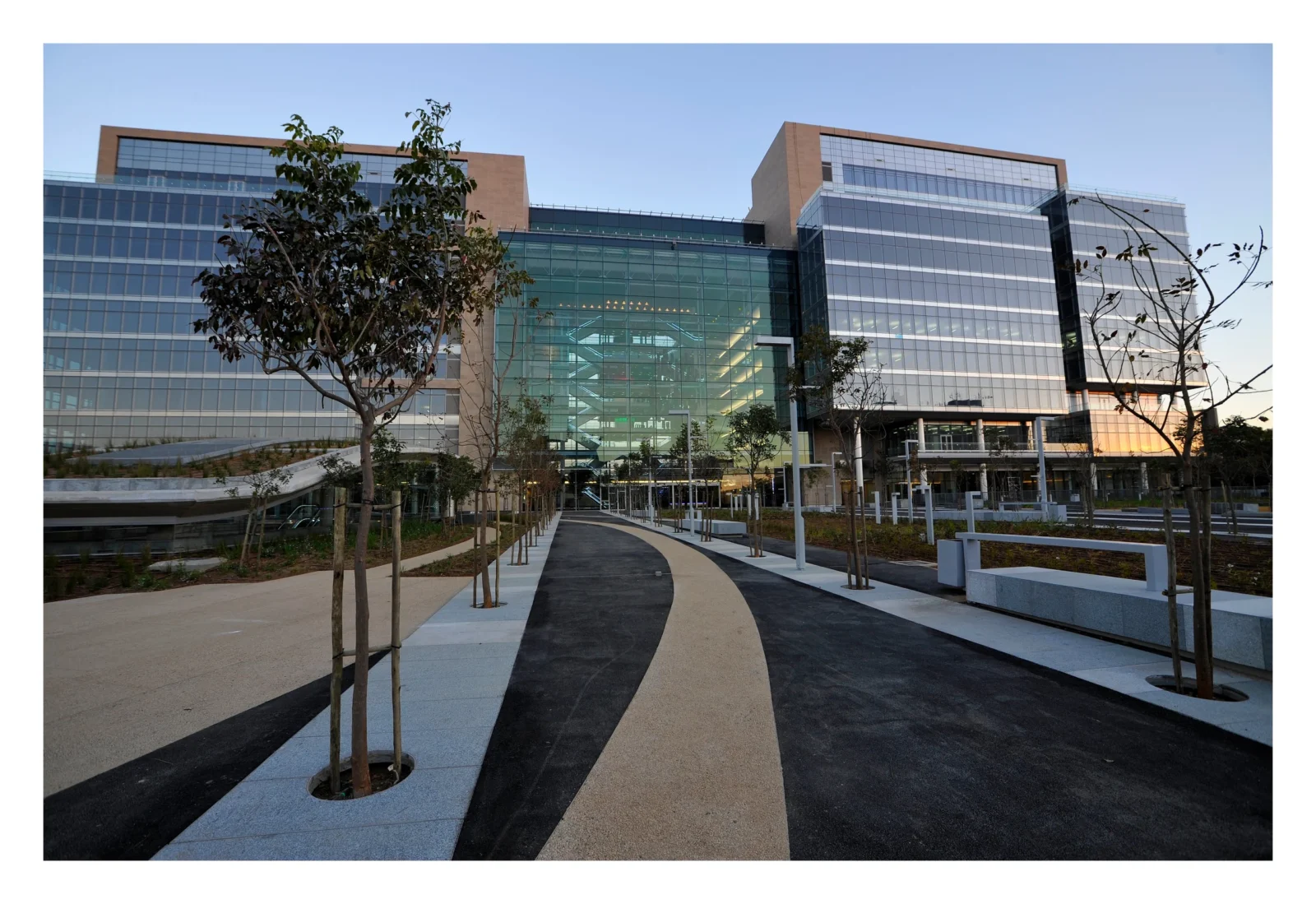
Johannesburg, South Africa — Standard Bank Group has reaffirmed its leadership in driving Africa’s energy transformation with an enhanced commitment to sustainable finance. The bank has announced an ambitious new target to mobilise over R450 billion in sustainable finance by 2028, a significant increase from its previous target of R250 billion by 2026. This update reflects the group’s integrated climate strategy and its expanded portfolio of eligible sustainable assets.
Since setting its initial sustainable finance goal in 2022, Standard Bank has already financed R177 billion, with R50.6 billion raised in 2023 and R74.3 billion in 2024. These figures underscore the bank’s growing role in financing climate-resilient infrastructure and supporting Africa’s transition to a low-carbon economy.
Aligned with its net-zero financed emissions goal by 2050, Standard Bank is actively working with clients on tailored sector transition pathways. The bank is also advocating for enabling policy and regulatory environments that support sustainable development across the continent.

“At Standard Bank, sustainability is more than a strategy—it is a purpose-driven commitment to Africa’s growth,” said Boitumelo Sethlatswe, Standard Bank Group’s Head of Sustainability. “Our enhanced targets reflect our ambition to lead the green energy revolution on the continent. We are focused on ensuring energy access, managing climate risk, and enabling a just and inclusive energy transition.”
The bank’s sustainability agenda revolves around four critical pillars: financial inclusion, business growth and job creation, climate change mitigation and adaptation, and infrastructure development. Within these pillars, renewable energy infrastructure continues to be a priority investment area.
Standard Bank has already surpassed its 2022 target to mobilise R50 billion in financing and R15 billion in underwriting for new renewable energy projects by 2024, achieving 82% of this goal by raising R53.4 billion. In 2024 alone, the bank’s energy supply ratio—measuring the proportion of finance towards renewable versus non-renewable energy—stood at 5.96 times, showcasing its commitment to clean energy solutions.
While firmly championing renewables, the bank maintains a pragmatic approach to energy financing, supporting selected oil and gas projects that adhere to strict environmental and social risk standards. As part of this balanced energy strategy, Standard Bank aims to keep upstream oil and gas exposure below 30% of its energy portfolio and less than 3% of total loans and advances. By 2030, the bank also plans to reduce the physical carbon intensity of its energy portfolio by 10%.
Standard Bank’s strategy is anchored in the Paris Agreement’s principle of “common but differentiated responsibilities,” recognising the diverse climate challenges faced by African nations. This approach enables the bank to tailor its support in ways that promote inclusive growth while advancing climate objectives.
About Standard Bank Group
Standard Bank Group is Africa’s largest bank by assets, with a footprint across 20 African countries, four global financial centres, and two offshore hubs. Headquartered in Rosebank, Johannesburg, the group is listed on the Johannesburg Stock Exchange (SBK) and the Namibian Stock Exchange (SNB). With a 163-year legacy, the group has expanded its reach beyond Southern Africa since the early 1990s and now connects Africa with global capital markets. As of 31 December 2024, Standard Bank Group served 20 million clients, employed over 50,000 people (including Liberty), and operated more than 1,150 locations and 5,500 ATMs across Africa. Its largest shareholder, the Industrial and Commercial Bank of China (ICBC), holds a 19.6% stake and partners with the group to facilitate trade and investment between Africa, China, and select emerging markets.











Leave a comment