


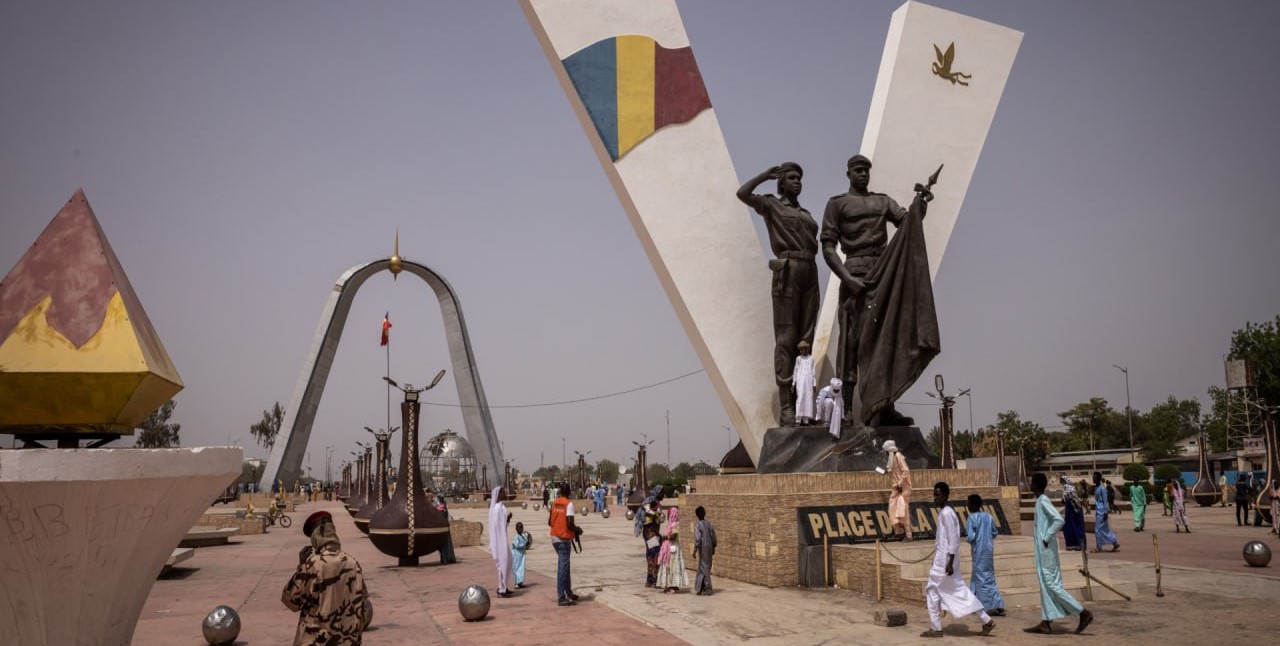
Chad has officially terminated its defense and security cooperation agreement with France, signaling a shift toward greater autonomy in managing its national security. The decision was announced in a statement by the Chadian Ministry of Foreign Affairs, which framed the move as a reaffirmation of Chad’s sovereignty and its resolve to address security challenges without foreign intervention.
In an exclusive statement to Sputnik, Saleh Kebzabo, Chad’s former Prime Minister, elaborated on the motivations behind the decision. He pointed to the country’s recent military struggles against Boko Haram terrorists in the Lake Chad region, where significant losses were sustained by the Chadian army. “We lost many men in these confrontations,” Kebzabo disclosed. “This was partly because we lacked intelligence. The French military, which has the necessary aerial surveillance resources, could have assisted us, but such support was not provided.”
Kebzabo criticized the lack of meaningful assistance during critical moments, arguing that the absence of actionable intelligence from France hindered Chad’s ability to protect its troops and prevent significant casualties. As a result, Chad has chosen to reorient its defense strategy, focusing on self-reliance and reducing dependency on foreign forces. “The presence of foreign troops in an independent country doesn’t bring any tangible benefits,” Kebzabo asserted, emphasizing the need for Chad to ensure its own security without intermediaries.
Historical Context and Strained Relations
Chad and France have long maintained a military partnership, with French troops stationed in Chad as part of broader efforts to combat terrorism and instability in the Sahel. France’s Operation Barkhane, which ended in 2022, operated extensively in the region, including Chad, as part of its counter-terrorism initiatives. However, the partnership has faced increasing scrutiny in recent years, with rising anti-French sentiment across parts of West and Central Africa.
Criticism of French involvement often stems from perceptions of inadequate support during crises and a lack of tangible benefits for host nations. The strained relations between Chad and France mirror a broader trend of African nations reassessing their ties with former colonial powers and seeking to establish greater control over their political and security affairs.
A Shift Toward Autonomy
Chad’s decision to terminate the agreement reflects a growing determination to manage its security challenges independently. The move aligns with a broader pattern in the region, where countries like Mali and Burkina Faso have also taken steps to reduce foreign military influence and prioritize national sovereignty.
Kebzabo underscored this sentiment, stating that the decision is part of Chad’s broader effort to chart its own course in securing peace and stability. “N’Djamena seems determined to ensure its security without going through a third country,” he remarked, adding that reliance on foreign forces can sometimes undermine rather than enhance national security.
Implications for Regional Security
The termination of the defense agreement is likely to have significant implications for regional security dynamics. Chad has been a critical player in the fight against terrorism in the Lake Chad Basin and the Sahel, often serving as a frontline state against groups like Boko Haram and Islamic State affiliates. Its military is among the most battle-hardened in the region, and any shift in its defense strategy could reshape collaborative efforts to combat terrorism and insurgency.
While the decision underscores Chad’s commitment to sovereignty, it also raises questions about how the country will address its security challenges without external support. The move comes at a time when terrorist groups in the region remain a persistent threat, requiring robust and coordinated responses.











Leave a comment