


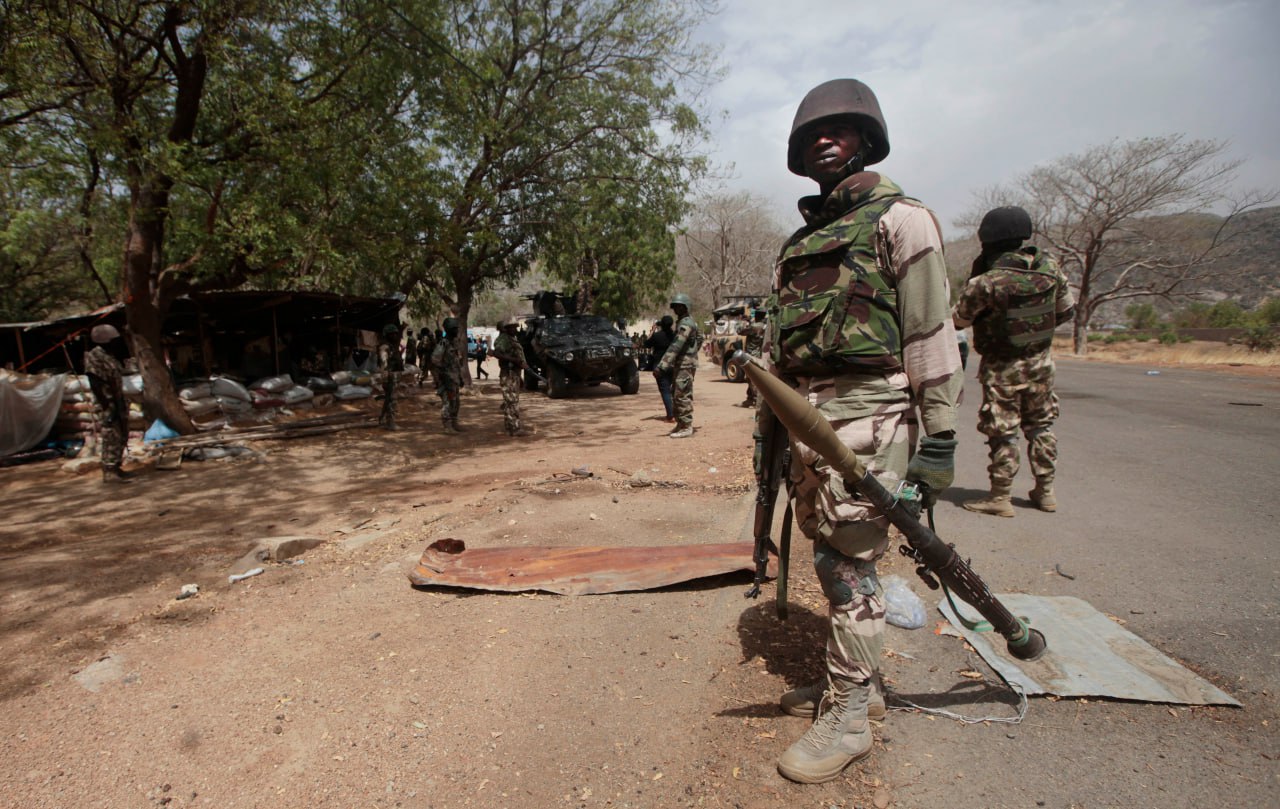
The Nigerian army has reported a decisive offensive against militant groups across several regions, resulting in the deaths of 101 terrorists affiliated with Boko Haram and the Islamic State’s West Africa Province (ISWAP) over the past week. According to a briefing by Edward Buba, Nigeria’s Director of Defence Media Operations, the military’s coordinated operations achieved significant successes, including the liberation of 157 hostages and the apprehension of 182 individuals suspected of involvement in terrorist activities. Among those killed was a high-ranking Boko Haram commander, further destabilizing the militant networks that have plagued Nigeria’s northern regions.
Operations Target Terror Strongholds
The recent wave of military action forms part of a broader Nigerian strategy to curb the persistent violence and instability fostered by armed groups in the north. Boko Haram and ISWAP have been responsible for thousands of civilian and military casualties since their emergence, and they have routinely targeted local communities, schools, and places of worship. The recent operations were conducted across multiple states, specifically targeting known hotspots and safe havens of these groups. This coordinated effort underscores Nigeria’s ongoing commitment to counterterrorism, a challenge that has remained critical for years.
The operations saw the deployment of ground troops backed by air support, enabling the Nigerian forces to dismantle several militant camps and recover substantial caches of weaponry. In total, the army seized 71 firearms, two vehicles, and large quantities of ammunition, reducing the militants’ operational capabilities. These seizures highlight the ongoing risks posed by illicit arms smuggling in the region and the importance of bolstering Nigeria’s counter-insurgency capabilities through equipment and intelligence-sharing.
Hostage Rescue and Militant Arrests
A particularly notable outcome of the operations was the liberation of 157 hostages, who had been held in captivity across multiple locations. These hostages, often including women and children, are routinely targeted by militant groups for ransom or recruitment into their ranks. The release of such a large number of captives reflects the army’s increased focus on humanitarian aspects of their mission, acknowledging the severe trauma endured by communities affected by militancy. Following medical examinations, these individuals are expected to be reintegrated with their families or provided with support through local agencies and community organizations.
In addition to the hostages freed, 182 suspected terrorists were apprehended during the raids. These arrests are likely to provide security forces with valuable intelligence on the operational structure, funding mechanisms, and recruitment strategies of Boko Haram and ISWAP. Efforts are now focused on interrogations and investigations that will help the army dismantle terror networks and anticipate potential attacks.
The Ongoing Security Landscape in Northern Nigeria
Nigeria has faced security threats on multiple fronts, including the expansion of terrorist groups in the northeast and the rise of banditry and kidnapping rings that operate with alarming frequency. The security situation in northern Nigeria has led to widespread displacement of civilians, economic disruption, and food insecurity. Kidnappings for ransom have become a persistent challenge, with armed groups targeting schools, travelers, and entire villages in their efforts to extort money or create political leverage.
Despite strict penalties, including the death penalty for kidnappings, these groups continue to terrorize local populations. The Nigerian government has taken significant steps to address this security challenge, ramping up military operations and strengthening laws, but the complex and entrenched nature of these threats requires sustained and strategic approaches. Recent successes suggest that these military initiatives, combined with community engagement and counter-radicalization programs, could mitigate these security challenges.












Leave a comment