


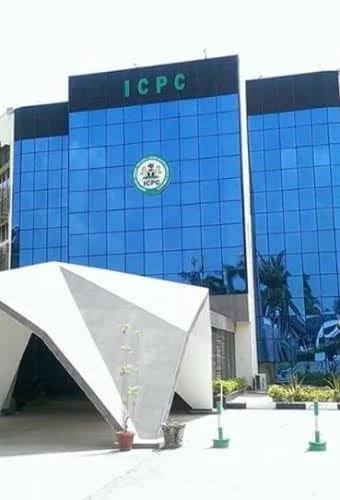
The Independent Corrupt Practices and Other Related Offences Commission (ICPC) has pledged to periodically publish details of assets recovered through its investigations, including their ownership and current status, as part of efforts to strengthen transparency and accountability.
The Director of Special Services at the commission, Prince Hassan Mohammed, gave the assurance during a pre-conference media briefing in Abuja on Saturday, Nov. 14.
Mohammed, who chairs the Local Organising Committee of the maiden General Assembly of the African Asset Recovery Practitioners’ Forum (AARP-F), said recovered assets belonged to the public and that information about them should be accessible.
“Definitely, ICPC will do that. Nothing is hidden. It is a public document. Anything recovered is for the public. And so, ICPC will definitely declare anything and whatever has been recovered,” he said.
He explained that recovering assets was only one aspect of the fight against corruption, adding that authorities must also ensure that recovered funds and properties were properly managed and used for the benefit of citizens.
Mohammed said transparency would help strengthen public confidence in anti-corruption institutions and allow Nigerians to monitor what happens to assets recovered through investigations.
However, he did not announce a specific date for the proposed disclosures or provide a comprehensive inventory of the assets to be published.
Asked about the value of assets Nigeria would present at the forthcoming continental meeting, he said he did not have the relevant figures available during the briefing.
The ICPC’s 2025 annual report, however, states that the commission recovered assets worth N42.75 billion during the year through its enforcement activities.
Continental cooperation on asset recovery
Mohammed spoke ahead of the maiden General Assembly of the AARP-F, scheduled to hold in Abuja from Nov. 17 to 20.
The gathering is expected to bring together representatives from about 52 to 54 African countries, alongside anti-corruption agencies, asset recovery practitioners, financial intelligence institutions and international partners.
Established in Nairobi, Kenya, in April 2025, the forum aims to strengthen cooperation among African institutions involved in tracing, freezing, confiscating and recovering proceeds of crime.
Its work is anchored on the African Union’s Common African Position on Asset Recovery (CAPAR), adopted in February 2020 to provide a continental framework for recovering assets taken from African countries through corruption and other illicit financial activities.
The Abuja assembly will focus on translating the framework into practical action, improving information sharing and addressing institutional and operational challenges that hinder asset recovery.
Mohammed said countries needed to work together because illicit financial flows frequently cross national borders, making it difficult for individual governments to trace and retrieve stolen wealth without international cooperation.
He also said delegates would visit selected locations in Nigeria to observe how some recovered assets were being managed and put to use.
The meeting is expected to consider governance instruments and strategic action plans to improve coordination among African countries.
Mohammed urged governments to ensure that recovered assets ultimately benefit citizens through improved public services, stronger institutions and development programmes.






Leave a comment