


Representatives from 54 African countries are expected in Abuja from Nov. 17 to 20 for the maiden General Assembly of the African Asset Recovery Practitioners’ Forum (AARP-F), as the continent steps up efforts to combat corruption and recover illicitly acquired public wealth.
The meeting will bring together anti-corruption agencies, asset recovery practitioners, financial intelligence units and international partners to strengthen cooperation in tracing, freezing, confiscating and repatriating proceeds of crime.
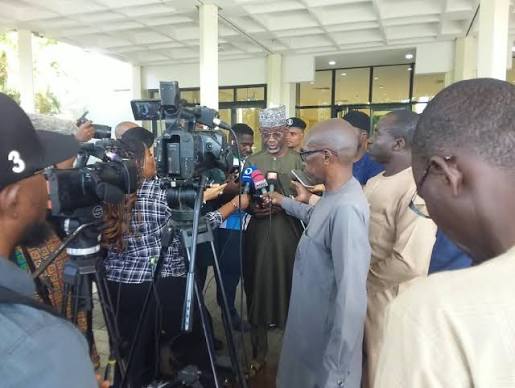
Chairman of the Local Organising Committee, Hassan Mohamed, disclosed the plans at a pre-conference briefing in Abuja. Mohamed, who is also director of special services at the Independent Corrupt Practices and Other Related Offences Commission (ICPC), said some participating countries would join virtually.
He said the assembly was intended to harmonise national approaches, exchange experiences and develop practical strategies for tackling cross-border financial crimes.
The meeting will be held under the theme, “From Commitment to Action: Enhancing Africa’s Asset Recovery Architecture through Effective Implementation of the Common African Position on Asset Recovery (CAPAR).”
The framework, adopted by the African Union in February 2020, provides a continental approach to recovering assets removed from African countries through corruption and other illicit financial activities. Nigeria proposed the policy before its adoption by African leaders.
The AARP-F was established in Nairobi, Kenya, in April 2025 to strengthen collaboration among institutions responsible for asset recovery across the continent.
Mohamed said no country could effectively tackle transnational financial crimes alone, stressing the need for stronger partnerships, information sharing and international cooperation.
He noted that illicit financial flows and corruption continued to deprive African governments of resources needed for infrastructure, public services and development.
According to him, recovered public assets should be properly managed and deployed to benefit citizens, rather than treated merely as financial gains for governments.
The assembly is expected to review progress in implementing CAPAR, examine institutional and operational challenges, and consider governance instruments and strategic action plans to improve cooperation among member countries.
Mohamed also urged African governments to translate the continental framework into practical national and regional measures, rather than allow it to remain a policy declaration.
Ahead of the meeting, Mohamed said the ICPC would periodically publish information about assets recovered by the commission, including their ownership and status, as part of efforts to strengthen transparency and public accountability.
He said the public had a right to know about recovered assets because they belonged to the people.
However, he could not provide figures on the value or number of assets Nigeria would present at the assembly, saying he did not have the relevant details available during the briefing.
He added that the gathering would provide an opportunity for countries to share information about their recovery efforts, noting that some governments did not routinely make such details public.
The assembly is also expected to highlight how recovered assets can support development, improve public service delivery and rebuild public confidence in governance institutions.
The meeting comes amid continuing concerns over the scale of illicit financial flows from Africa and the challenges countries face in recovering assets transferred across international borders.





Leave a comment