


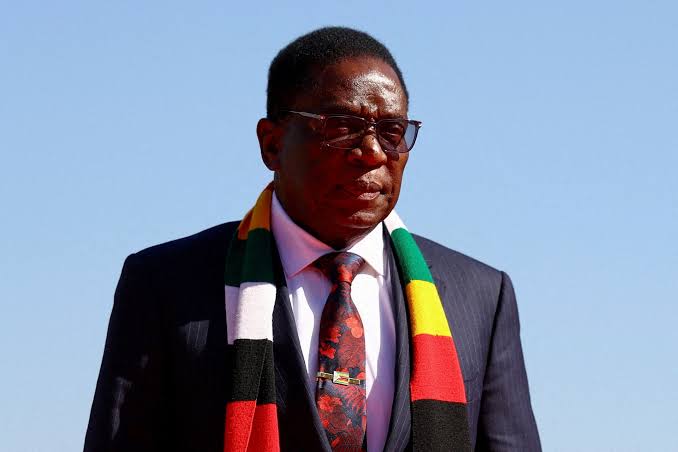
Zimbabwean President Emmerson Mnangagwa has signed into law a constitutional amendment extending his current term in office to 2030, following parliamentary approval of the legislation that also delays the country’s next general elections.
The amendment extends the terms of the president, Parliament and local authorities from five years to seven years, pushing elections previously scheduled for 2028 to 2030.
The government says the changes are intended to promote policy continuity and political stability by reducing the frequency of elections.
The legislation has, however, drawn criticism from opposition parties, constitutional lawyers and civil society groups, who argue that extending the mandates of elected officials without seeking voter approval through a referendum undermines Zimbabwe’s democratic institutions.
Mnangagwa, who came to power after the military-assisted removal of longtime leader Robert Mugabe in 2017 and won disputed elections in 2018 and 2023, has repeatedly said he does not intend to seek another term beyond the constitutional limit, despite calls from some supporters for him to remain in office.
The constitutional changes are expected to face legal challenges from critics seeking to overturn the amendments in the courts.










Leave a comment