


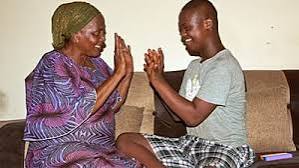
Parents raising autistic children in Guinea are continuing to face widespread stigma, discrimination, and a severe lack of support, with many families struggling to access diagnosis, education, and specialised care for their children.
For Kadiatou Diallo, a mother from the town of Fria, the journey has been marked by misunderstanding and prejudice. When her son, Kazaliou Baldé, began showing signs of autism as a young child by avoiding eye contact and struggling to communicate, the family initially sought help from a traditional healer before eventually receiving a diagnosis in the capital, Conakry. At the time, they had never heard of autism.
Rather than receiving support, Diallo says she faced cruel remarks from members of her community. Some even suggested she abandon her son because they believed his condition was linked to evil spirits. Despite the stigma, she refused to give up and continued searching for opportunities to improve his quality of life.
Autism remains poorly understood across much of Guinea, where awareness is low and government support is limited. The country does not maintain official records on autism, making it difficult to understand its prevalence or develop effective public policies. According to the World Health Organization, around one in every 127 people worldwide was living with autism in 2021, although reliable data from many low and middle income countries remain unavailable.
Access to specialised education is also a major challenge. Guinea has only a handful of schools catering to autistic children, with many charging fees of up to $300 per month, well beyond the reach of most families in a country where the minimum wage is about $65 per month. As a result, many children are excluded from education or remain hidden at home to avoid discrimination.
One source of hope is the Salim Foundation for Children with Autism in Fria, a free school providing specialised education and therapy while also working to raise awareness about autism. The organisation says hundreds of autistic children in the region are still hidden by their families because of fear, shame, and social stigma.
Health experts and advocates are calling on the Guinean government to invest more in autism awareness, early diagnosis, and inclusive education. They say greater public understanding is essential to ensuring that autistic children are accepted, supported, and given the opportunity to reach their full potential.





Leave a comment