


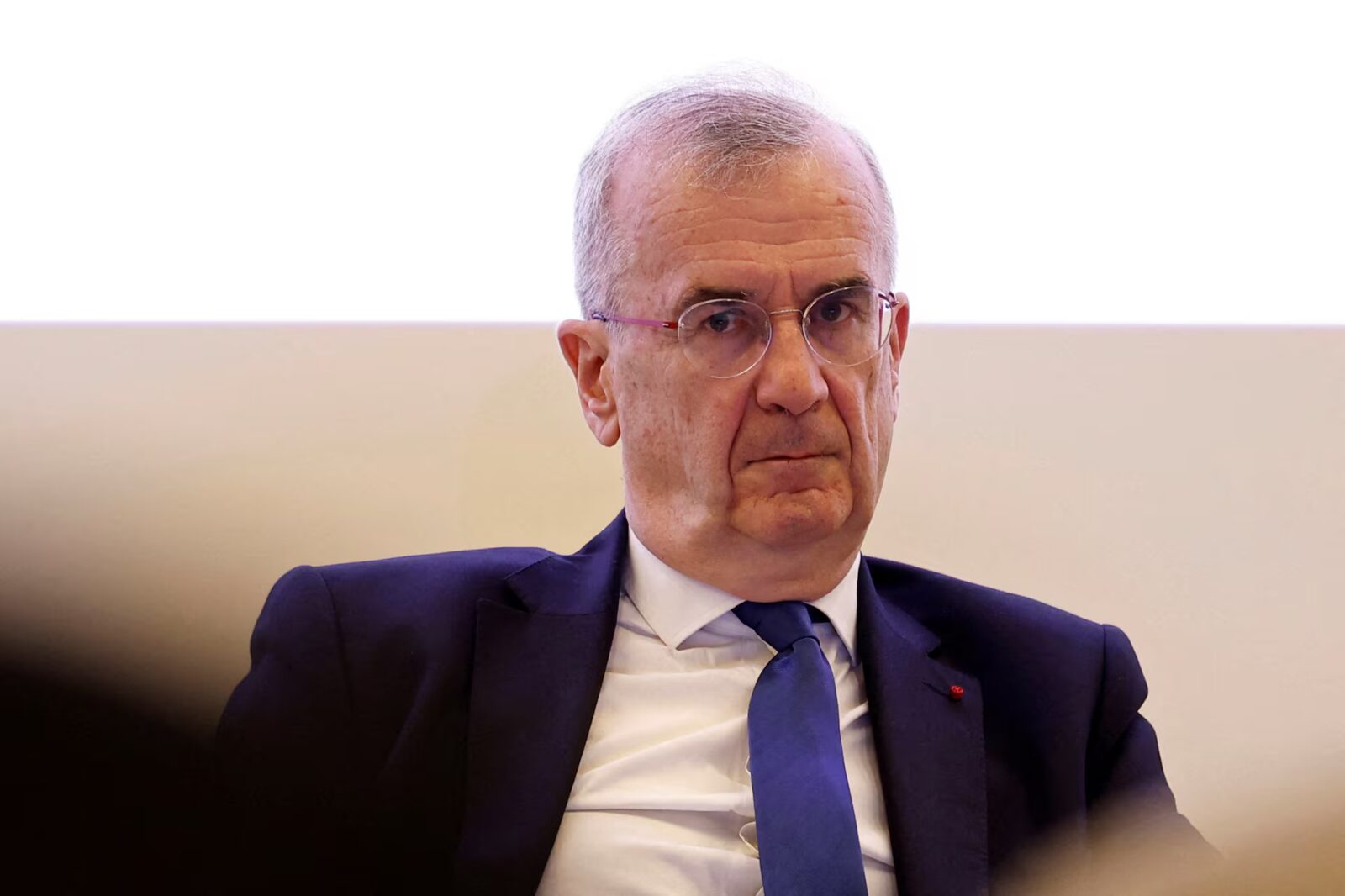
France’s economy is expected to post modest growth in the first quarter of 2026, with GDP projected to expand between 0.2% and 0.3%, according to Bank of France governor François Villeroy de Galhau. This forecast reflects cautious optimism, as the central bank continues to anticipate around 1% growth for the full year, signaling stability rather than rapid acceleration.
The projection is supported by stronger‑than‑expected activity across several sectors. Industry, services, and construction all reported improvements in January and February, according to the central bank’s monthly survey. Manufacturing has shown resilience, driven by defense and aerospace orders, as well as rising demand for electronics and machinery. These gains have helped offset lingering challenges in trade, hiring, and cash flow, which remain areas of concern for many businesses.
France’s economy grew by 0.2% in the final quarter of 2025, so the first quarter forecast suggests continuity rather than a sharp shift. Still, the central bank noted that businesses are reporting firmer activity than anticipated, which could provide momentum heading into the spring. The cautious tone reflects the balance policymakers must strike between encouraging growth and managing inflationary pressures.
The broader context is significant. France’s economic trajectory is shaped not only by domestic factors but also by external influences such as European Central Bank monetary policy, global energy prices, and geopolitical tensions. The war in Ukraine, ongoing instability in the Middle East, and trade frictions with major partners continue to weigh on confidence. Yet, the Bank of France’s outlook indicates that the country is avoiding stagnation and maintaining steady progress.
For policymakers, the challenge lies in sustaining this growth while ensuring fiscal discipline. Public investment in infrastructure, green energy, and digital transformation remains a priority, but budgetary constraints demand careful management. Meanwhile, businesses are adapting to higher borrowing costs and shifting consumer demand, with many reporting cautious optimism about the months ahead.
In essence, France’s first quarter forecast paints a picture of an economy that is stable, resilient, and cautiously moving forward. While risks remain, the expectation of modest growth suggests that the country is navigating global uncertainty with measured confidence, laying the groundwork for gradual improvement throughout 2026.












Leave a comment