


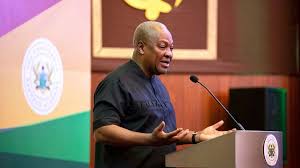
The Government of Ghana has announced that it paid a total of 1.47 billion US dollars in 2025 to settle long standing debts in the energy sector, a move officials say has restored stability to the country’s power system and rebuilt international confidence.
According to the Ministry of Finance, a major component of the payments was 597.15 million dollars used to fully reinstate a World Bank partial risk guarantee that had been exhausted under the previous administration. The guarantee is considered critical to Ghana’s energy architecture, as it underpinned nearly 8 billion dollars in private investment for the Offshore Cape Three Points gas field and the Sankofa Gas Project. Its restoration is expected to reassure lenders and investors of Ghana’s renewed commitment to honouring contractual obligations.
In addition, the government settled all outstanding gas supply invoices owed to key energy partners ENI and Vitol, paying approximately 480 million dollars. These payments resolved arrears that had strained relations with suppliers and threatened the reliability of gas supplies for power generation.
The state also cleared around 393 million dollars in legacy debts owed to Independent Power Producers, including major operators such as Karpowership and Cenpower. These arrears had accumulated over several years and were widely seen as a major risk to electricity stability and private sector participation in the power market.
Officials say the comprehensive settlement, completed within President John Dramani Mahama’s first year in office, represents a decisive reset of the energy sector. Years of unpaid obligations had undermined investor confidence, complicated access to financing, and raised concerns about potential power disruptions.
To prevent a recurrence, the government says it has made budgetary provisions to keep future energy payments current and has renegotiated agreements with upstream gas partners to improve domestic gas production and affordability. These measures are intended to reduce reliance on expensive fuel imports and strengthen the long term financial sustainability of the power sector.
By clearing the debt backlog, the government says it has brought an end to an era of unchecked arrears accumulation and laid a stronger foundation for stable electricity supply, renewed investment, and broader economic growth.






Leave a comment