


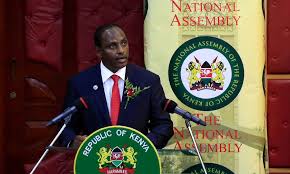
Kenya plans to target a budget deficit equivalent to 4.9 percent of gross domestic product in the 2026/27 fiscal year, a senior official from the Ministry of Finance confirmed on Wednesday. The fiscal year in Kenya runs from July to June, and the new target remains broadly in line with the 4.8 percent forecast for the current financial year.
The East African nation has faced mounting challenges in managing public debt over recent years, following a period of rapid borrowing since 2013 to fund an ambitious program of infrastructure projects. Major investments in roads, railways, energy, and other sectors have bolstered development but have also increased debt servicing obligations, putting pressure on the government to maintain a disciplined fiscal path.
Officials said the 2026/27 deficit target reflects efforts to balance the need for continued investment in infrastructure and social services with the necessity of fiscal consolidation. The government has implemented a series of measures aimed at controlling spending, improving revenue collection, and managing debt sustainability, including prioritizing high-impact projects and enhancing oversight of public funds.
Economists warn that Kenya’s debt burden, which includes both domestic and external obligations, continues to pose a risk to macroeconomic stability. Interest payments on past borrowing absorb a significant share of government revenue, limiting flexibility in public spending and potentially constraining growth. Maintaining a deficit around 4.9 percent of GDP is intended to signal to investors and international partners that the country is committed to responsible fiscal management while pursuing sustainable economic development.
The finance ministry official added that the government will continue to monitor economic conditions closely, adjusting policy as needed to respond to inflationary pressures, global economic trends, and domestic revenue performance. Kenya’s fiscal stance will also be guided by efforts to support poverty reduction, enhance public services, and sustain investment in infrastructure projects critical for long-term growth.
The 2026/27 budget planning comes amid ongoing debates about debt sustainability, fiscal transparency, and the balance between investment-led growth and prudent financial management in Kenya. Officials and analysts agree that achieving the deficit target will require continued fiscal discipline and careful management of both expenditures and revenues.












Leave a comment