


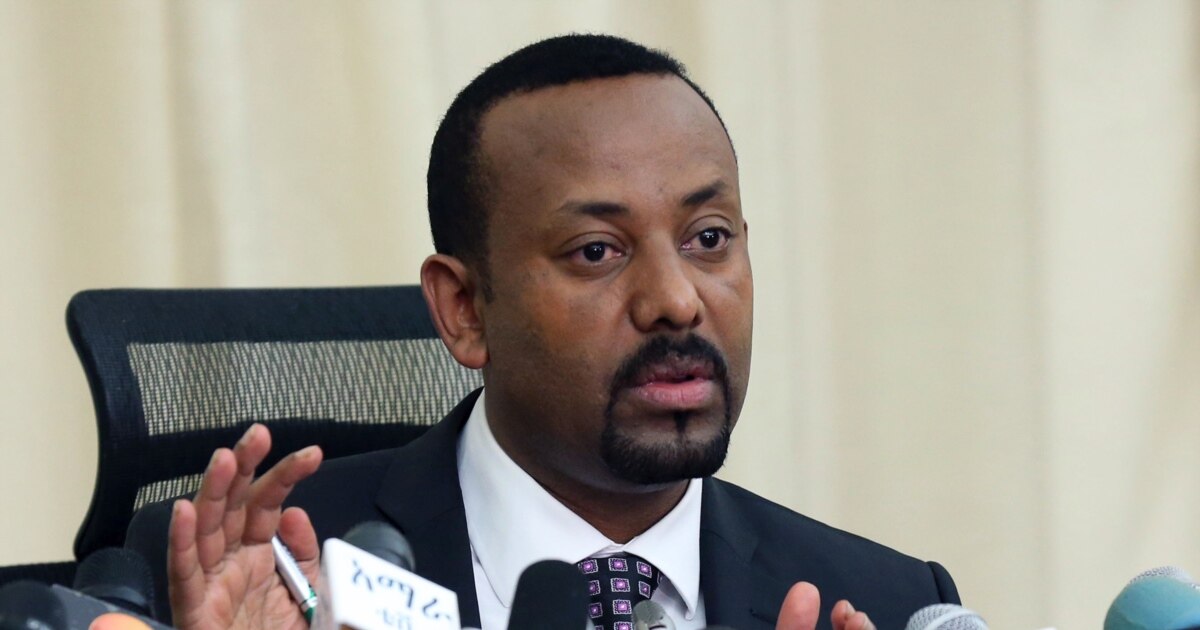
Ethiopia’s political landscape is shifting rapidly as opposition forces in Amhara, Oromo and Tigray regions unite into a loose but powerful anti regime bloc. Their growing cooperation is reshaping dynamics in the Horn of Africa and placing unprecedented pressure on Prime Minister Abiy Ahmed’s administration.
Recent battlefield gains by insurgents in Amhara have exposed the government’s vulnerabilities. The momentum of these victories has emboldened rival groups and amplified their coordinated pushback. Signs of strain are becoming increasingly visible in Addis Ababa as armed factions expand their influence and challenge federal authority more aggressively.
In a letter dated two October addressed to the United Nations, the Ethiopian Foreign Ministry accused the Tigray People’s Liberation Front and Eritrea of supporting Fano forces by providing funding, mobilising fighters and directing operations that led to recent successes in North Wollo. This assertion underscores the government’s fears that its adversaries are aligning strategically to undercut federal control.
The tension is intensified by the history between these actors. The Tigray People’s Liberation Front fought against the federal government, Eritrean forces and Fano militias during the devastating Tigray conflict from twenty twenty to twenty twenty two which ultimately concluded with the Pretoria Agreement. The resurfacing alliances suggest that unresolved grievances and deep political fractures continue to fuel instability.
As regional insurgents consolidate and enhance cooperation, Ethiopia stands at a critical crossroads. The emerging anti regime front is not only reshaping internal power structures but also raising concerns about broader security and stability throughout the Horn of Africa.









Leave a comment