


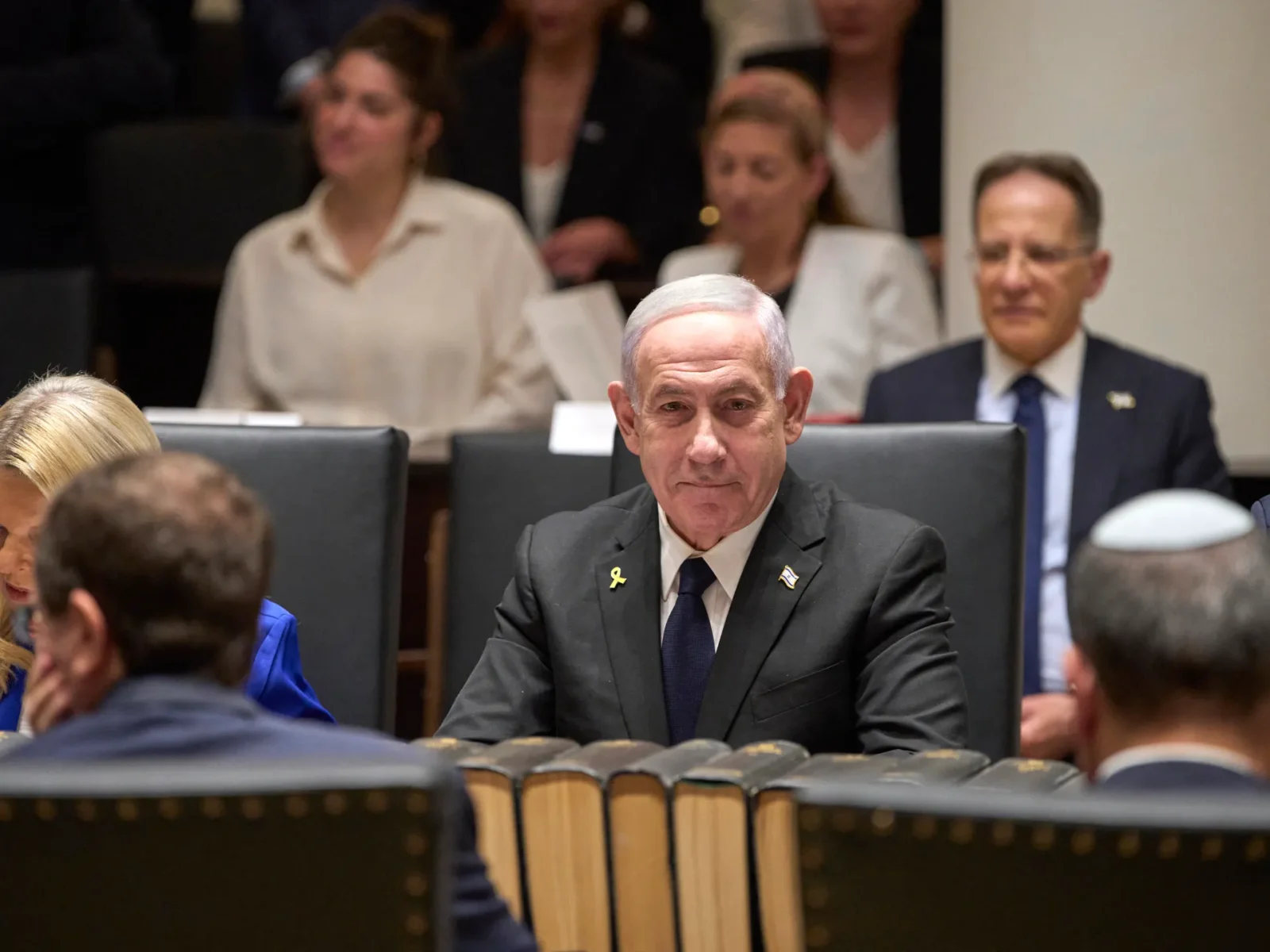
Israel is reportedly holding discussions with South Sudan over a controversial proposal to forcibly relocate Palestinians from Gaza to the East African nation, a move that has sparked alarm among human rights groups, diplomats, and regional observers. According to six people familiar with the matter who spoke to the Associated Press, the relocation plan is part of a broader Israeli strategy to depopulate Gaza, a move critics warn could amount to ethnic cleansing and a violation of international law.
The plan, which sources say has also been floated with Sudan, Somalia, and the breakaway region of Somaliland, comes amid escalating tensions and ongoing military operations in Gaza. Human rights advocates have warned that any mass transfer of Palestinians could strip them of their right to return, permanently altering Gaza’s demographic and political landscape. Such a move, they say, could pave the way for Israel to annex the enclave and potentially re-establish Israeli settlements there, an idea openly supported by far-right members of Prime Minister Benjamin Netanyahu’s government.

South Sudan, which has been grappling with the devastating aftermath of its own civil war since shortly after gaining independence in 2011, is already home to a large refugee population fleeing conflicts in neighbouring states. The country’s internal challenges are significant: the civil war killed nearly 400,000 people, left vast regions facing famine, and caused severe economic collapse. Observers say these realities make South Sudan an unlikely and highly controversial destination for Palestinians uprooted from Gaza.
Prime Minister Netanyahu has publicly spoken in favour of what he terms “voluntary migration” for much of Gaza’s population. Speaking to Israel’s i24 News this week, he reiterated that he believes the best course of action is to “allow the population to leave” before intensifying military operations against those who remain. While Netanyahu did not specifically mention South Sudan in that interview, sources say the East African country is among the destinations under consideration.
Joe Szlavik, founder of a US lobbying firm with ties to South Sudan, told the Associated Press that he had been briefed by South Sudanese officials about the ongoing talks. He suggested that the discussions might be tied to broader diplomatic and economic concessions, including the possibility of the United States lifting a travel ban and removing sanctions on certain South Sudanese elites. This hints at potential American involvement in shaping or facilitating the relocation deal.
South Sudan’s leadership may see the proposal as an opportunity for financial gain and strategic alliances. Peter Martell, journalist and author of First Raise a Flag, noted that “cash-strapped South Sudan needs any ally, financial gain and diplomatic security it can get.” Such incentives could prove tempting for Juba, especially amid its economic crisis and ongoing dependence on foreign aid.
The Trump administration has a track record of pressuring other countries to accept deportations, and South Sudan has previously cooperated, taking in eight individuals removed from the United States under the administration’s mass deportation policy. This precedent raises questions about how willing South Sudan might be to agree to a large-scale relocation of Palestinians if it comes with diplomatic or economic benefits.
The proposal has intensified international scrutiny over Israel’s long-term objectives in Gaza, with opponents arguing that forced displacement would represent one of the most severe violations of Palestinian rights in decades. If implemented, it could reshape the geopolitical dynamics of both the Middle East and East Africa, drawing in multiple global powers and igniting fierce legal and moral debates on the world stage.











Leave a comment