


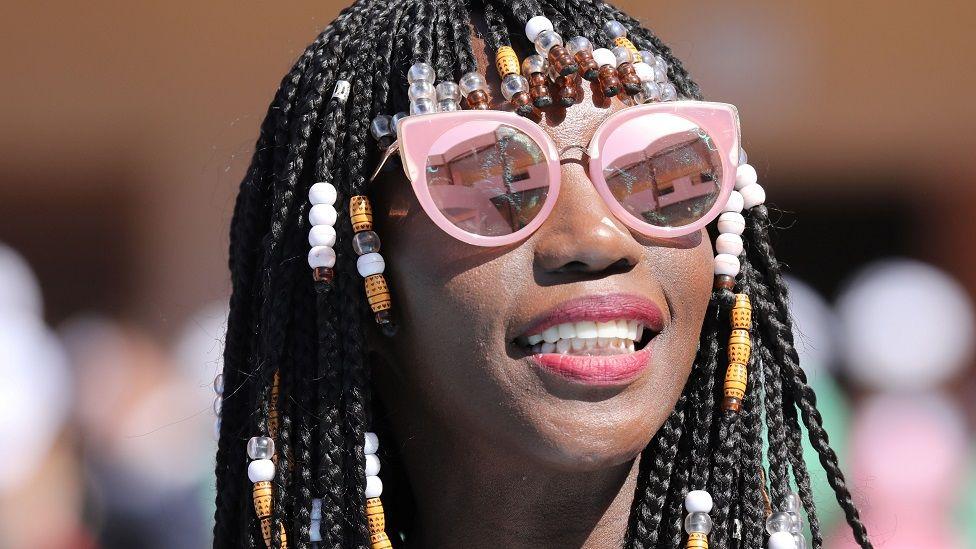
A recent ban issued and swiftly reversed at Senegal’s Grand Théâtre in Dakar has stirred intense national debate over identity, gender politics, and cultural freedom in one of West Africa’s most vibrant democracies. The internal memo, signed by Serigne Fall Guèye, the theatre’s director and former cultural head of the ruling Pastef party, prohibited wigs, hair extensions, and skin-lightening products within the prestigious institution. Officially, the ban was meant to “promote Pan-African values” and preserve cultural authenticity.
However, the backlash was immediate and widespread. Feminist organizations, civil society leaders, and everyday Senegalese citizens criticized the decision as sexist, authoritarian, and an unjustified intrusion into personal choices. Social media exploded with condemnation, describing the policy as a form of gendered control disguised as nationalism. Many accused Guèye of weaponizing cultural pride to police women’s bodies, a move made more contentious by the fact that only four out of 25 cabinet members in President Bassirou Diomaye Faye’s government are women, and that the Ministry of Women has been eliminated.
The Grand Théâtre memo struck a nerve in a country still grappling with the legacy of colonial beauty ideals and ongoing struggles for gender equity. Senegalese women, particularly in urban areas, often wear wigs, extensions, or use skin-lightening products as a matter of choice, practicality, or economic reality. Critics argue that Guèye’s directive imposed a narrow, state-defined version of African identity, reducing cultural authenticity to appearances while ignoring systemic issues such as economic justice, language access, and gender representation.
Serigne Fall Guèye, a vocal advocate for decolonization and Pan-Africanism during his time at Pastef, defended his intentions as a move to restore dignity to African art spaces. But his past affiliations and ideological leanings have raised concerns about personal beliefs bleeding into public institutions. Analysts now question whether the theatre is becoming a platform for cultural authoritarianism under the guise of nationalism.
While the ban was rescinded the very next day following public outcry, its impact has been significant. It reignited conversations around how African identity should be defined in a modern, globalized world, and whether state officials should play a role in regulating personal expression, especially when it disproportionately targets women. The uproar also signaled growing frustration with Prime Minister Ousmane Sonko and the Pastef government among Senegal’s young, progressive base, many of whom voted for change in the 2024 elections but now feel disappointed by what they see as cultural regression and centralization of power.
In a society where skin bleaching remains common despite well-known health risks, and where women’s choices are often subject to public judgment, this controversy is more than cosmetic. It underscores deeper tensions between cultural heritage and modern freedoms, between identity politics and individual agency. What began as a directive inside a national theatre has now become a flashpoint in Senegal’s broader battle for equality, expression, and the right to define African identity on one’s own terms.












Leave a comment