


The World Health Organization (WHO) has reported that malaria has been detected in samples taken from patients suffering from an unknown illness in the Democratic Republic of Congo (DRC). However, health experts have not ruled out the possibility of a co-infection, suggesting more than one disease could be contributing to the ongoing health crisis.
During a press briefing at WHO headquarters in Geneva on Tuesday, WHO Director-General Dr. Tedros Adhanom Ghebreyesus confirmed that out of 12 initial samples collected from affected patients, 10 tested positive for malaria. “It’s possible that more than one disease is involved,” Dr. Tedros emphasized, as the organization continues its investigation.
The outbreak, which remains unidentified, has struck the Panzi district of Kwango province, located in the southwest of the DRC. According to WHO data, between October 24 and December 5, 2024, 406 cases of the mysterious illness were recorded, with at least 31 deaths reported. Alarmingly, the majority of those affected are children under the age of five and individuals suffering from severe malnutrition.
The illness presents with a combination of symptoms, including fever, headache, persistent cough, runny nose, body aches, breathing difficulties, and anemia. These symptoms have raised concerns that the illness may be exacerbated by underlying health conditions such as malaria or nutritional deficiencies.
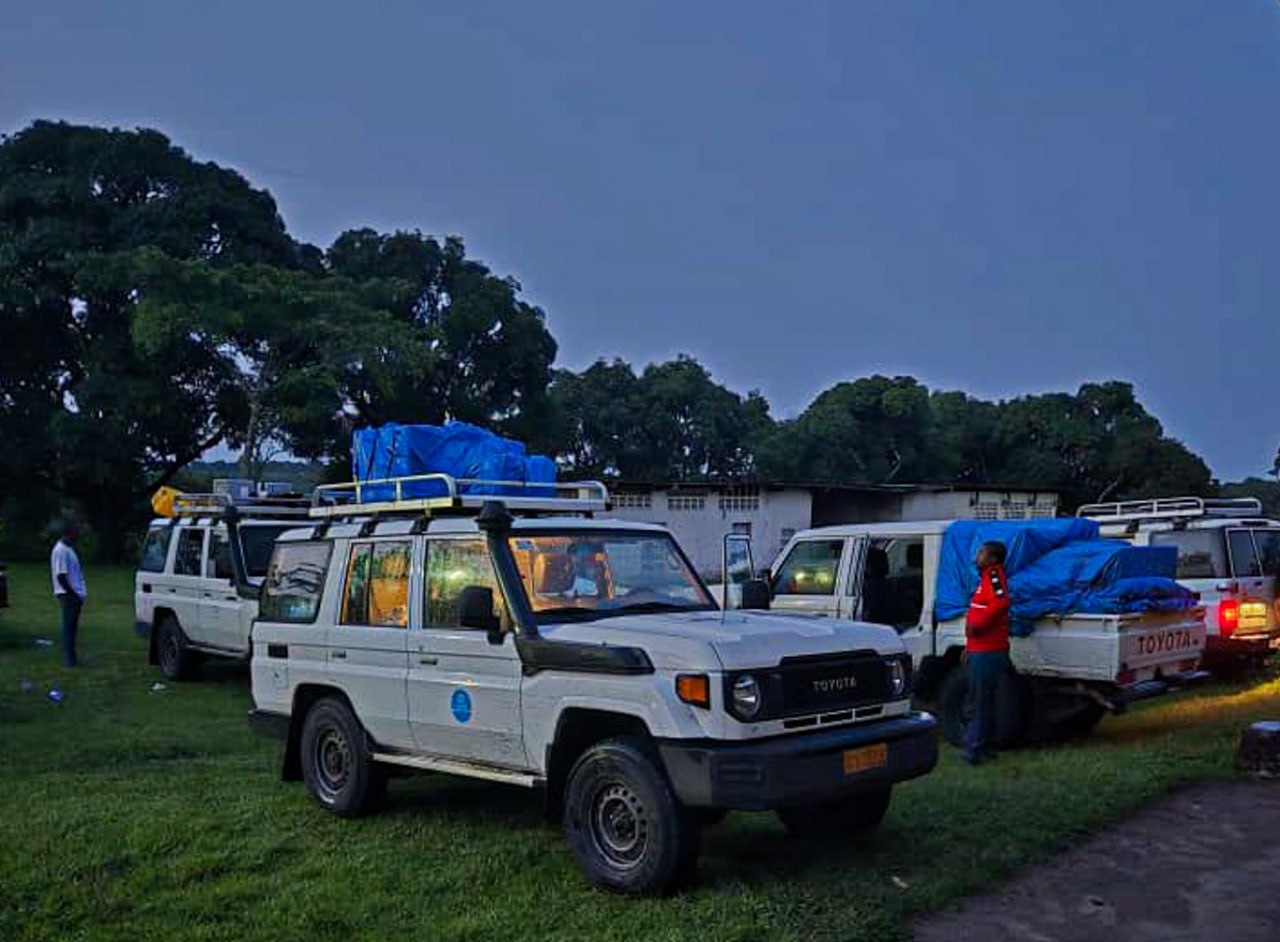
In response to the escalating situation, the DRC government has deployed its National Rapid Response Team to Panzi, supported by WHO experts and other health professionals. Their mission is to conduct epidemiological and biological investigations, provide medical care, and safeguard vulnerable populations. However, the response effort has faced considerable logistical challenges.
The Panzi district is located in a remote part of Kwango province, with limited telecommunications infrastructure. The onset of the rainy season has further hampered access to the area, delaying response efforts. Dr. Tedros acknowledged these difficulties, noting that it took the national response team several days to reach Panzi due to poor road conditions.
The DRC’s Public Health Emergency Operations Center (COUSP), which is coordinating the response, assured the public that the situation is under control. COUSP Coordinator Christian Ngandu emphasized that health authorities are working closely with local and provincial teams to contain the outbreak, identify its cause, and treat affected individuals. “We have stabilized the situation thanks to the swift reaction of health experts,” Ngandu reportedly said.
Malaria remains a major public health challenge in the DRC, particularly during the rainy season when mosquito breeding intensifies. WHO’s detection of malaria in 10 of the 12 patient samples raises concerns that co-infection—where multiple diseases affect an individual simultaneously—could be complicating the current health crisis.
The WHO and health authorities are exploring whether malaria is acting as a primary illness, exacerbating the impact of an unknown secondary infection, or if another disease is responsible for the deaths. This underscores the need for urgent laboratory investigations to determine the root cause of the outbreak.
The WHO highlighted that children under five years old are particularly vulnerable to this outbreak, as they are more susceptible to both infectious diseases and malnutrition. The combination of poverty, food insecurity, and a fragile healthcare system in parts of the DRC has left many communities ill-equipped to respond to sudden health crises.
The situation also reflects broader regional challenges. Across Central Africa, the interplay between infectious diseases like malaria, limited healthcare access, and undernutrition continues to fuel cycles of illness and mortality. Addressing these interconnected challenges will require a combination of immediate response measures and long-term health system strengthening.










Leave a comment