


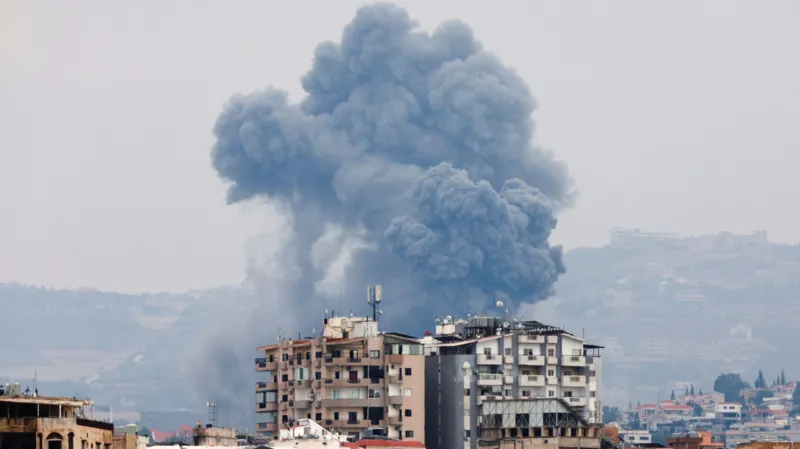
As the conflict between Israel and Hezbollah intensifies in southern Lebanon, the plight of migrant domestic workers has become increasingly dire. Many, particularly those from African and Asian countries, are finding themselves abandoned by their employers, left alone in dangerous situations, and with no legal protections to turn to for help.
One Kenyan domestic worker, who had been employed in southern Lebanon for several months, recounted a harrowing experience. When an air strike hit her employer’s house, she was locked inside and left behind as the family fled. The constant sound of bombings left her traumatized, unsure how many days had passed before her employers returned. Instead of being welcomed back, she was thrown out onto the street without pay and forced to find her own way to the capital, Beirut.
This is not an isolated incident. International organizations and local NGOs are increasingly raising the alarm about the vulnerability of migrant domestic workers during Lebanon’s ongoing conflict. The International Organization for Migration (IOM) estimates that there are around 170,000 migrant workers in Lebanon, most of whom are women from countries like Kenya, Ethiopia, Uganda, Sri Lanka, and the Philippines. Many of these workers left their home countries to provide financial support for their families but are now trapped in precarious situations.
The situation is exacerbated by Lebanon’s Kafala system, which ties domestic workers to their employers, leaving them with little control over their own lives. Under this system, employers often confiscate their workers’ passports and withhold wages, limiting their freedom of movement and subjecting them to exploitation. With the escalation of violence in recent weeks, reports have emerged of employers abandoning their workers, locking them inside homes, or leaving them on the streets as they flee to safety.
Shelters across the country, set up to accommodate displaced residents, have been overwhelmed. Most of the nearly 900 government-organized shelters are already full, and migrant workers often face additional barriers in accessing these facilities. Many shelters reportedly prioritize Lebanese citizens, leaving non-nationals without a safe place to stay. Some workers fear seeking refuge in official shelters due to incomplete legal documentation, which could lead to repercussions if they are discovered by authorities.
Humanitarian organizations, like Caritas Lebanon, have stepped in to provide assistance. Caritas has been offering shelter and support to migrant domestic workers for decades, but the current crisis has stretched its resources to the limit. They are currently housing around 70 migrant workers, primarily mothers with children, and are struggling to meet the growing demand. Caritas and other NGOs are calling for increased funding to shelter more workers and provide essential legal, mental health, and physical support.
The mental toll on migrant workers has been severe. Many of the women have reported experiencing trauma from the conflict, as well as the abuse and neglect they have suffered at the hands of their employers. Some have lost their jobs and homes, while others are struggling to continue working despite the fear and uncertainty surrounding them.











Leave a comment