


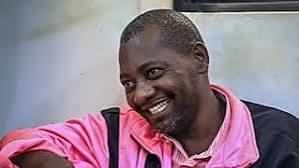
A Kenyan court is expected to deliver its verdict on Monday in the murder trial of self proclaimed preacher Paul Nthenge Mackenzie and 30 co accused over the deaths of 191 children linked to the Shakahola Forest massacre.
The judgment, scheduled for delivery at the Mombasa Law Courts, follows a lengthy trial that examined allegations that Mackenzie encouraged followers of his Good News International Church to starve themselves to death in the belief that they would meet Jesus. The accused have pleaded not guilty.
The case stems from the discovery of mass graves in Shakahola Forest, in Kilifi County near the coastal town of Malindi, in 2023. More than 400 bodies have since been recovered from the surrounding area, making the incident one of Kenya’s most disturbing cases of mass death associated with a religious group. Some victims remain unidentified.
Prosecutors allege that Mackenzie initiated and directed extreme fasting among his followers, with children dying first, followed by teenagers, women and men. They have relied on witness testimony, post mortem reports, forensic findings and other evidence to argue that the accused shared responsibility for the deaths.
Evidence presented to the court included findings consistent with starvation, as well as signs of asphyxiation, neck compression and traumatic head injuries in some victims. The prosecution called 121 witnesses during the proceedings.
The defence has challenged the prosecution’s case, arguing that it relies heavily on circumstantial evidence and inconclusive forensic findings. Lawyers for the accused have maintained that the prosecution must establish each defendant’s criminal responsibility beyond reasonable doubt.
In April 2026, the court ruled that the prosecution had established a prima facie case, requiring Mackenzie and his co accused to present their defence. The ruling did not determine their guilt but allowed the trial to proceed to its next stage.
The judgment is being closely watched by relatives of victims, many of whom have travelled from communities along Kenya’s coast to follow the proceedings. The case has also intensified public debate over the oversight of religious organisations and the responsibility of authorities to respond to warnings of abuse.
Mackenzie founded the Good News International Church in 2003 and attracted followers through branches in Nairobi and along Kenya’s coast. He was previously arrested over allegations of radicalisation and later in connection with the deaths of two children in 2019, before the Shakahola investigation brought the scale of the deaths to national and international attention.
The wider investigation has continued beyond the 191 murder counts in the current trial. Mackenzie also faces separate charges of manslaughter and terrorism, which he denies. In January 2026, he was charged in connection with a further 52 bodies found in a nearby village.
The Shakahola tragedy prompted calls for stronger safeguards against harmful practices carried out under the guise of religion, alongside scrutiny of how earlier warnings were handled by law enforcement and other state agencies.
The court’s verdict is expected to mark a major stage in the pursuit of criminal accountability for the 191 deaths at the centre of the case, although separate proceedings and efforts to identify victims may continue.







Leave a comment