


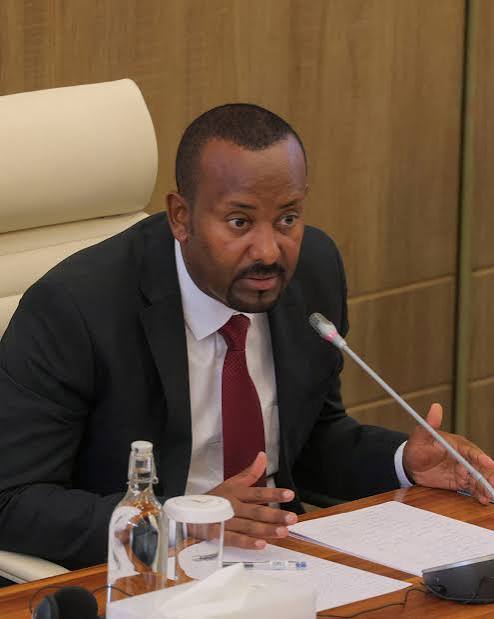
Ethiopian Prime Minister Abiy Ahmed has established a new six-month caretaker administration for the northern Tigray region, with a mandate to restore stability, rebuild damaged infrastructure and prepare for regional elections amid renewed fighting and political tensions.
The federal government announced the decision on Friday, October 16, following a resolution by the House of Federation and a subsequent decision by the Council of Ministers. The new administration is expected to oversee the region during the transition towards elected leadership.
According to the Office of the Prime Minister, the caretaker government will focus on restoring public services, rebuilding infrastructure and creating conditions for free and transparent elections within six months.
The government said repeated efforts to resolve the Tigray conflict through the 2022 Pretoria peace agreement had been obstructed by the Tigray People’s Liberation Front (TPLF). The TPLF’s position on the new administration and the proposed election timetable was not immediately available in the reports reviewed.
The announcement comes as fighting has intensified in northern Ethiopia, threatening the peace agreement that ended the devastating 2020 to 2022 war between federal forces and the TPLF.
Renewed hostilities began in September, with clashes reported across Tigray and neighbouring areas. Ethiopian government forces and allied militias have since regained control of several locations, including the regional capital, Mekelle, according to recent reports.
The earlier war caused widespread destruction, displacement and severe disruption to health services and other essential infrastructure. The renewed violence has raised concerns about civilian safety and the possibility of a broader regional conflict.
Tensions have also escalated between Ethiopia and neighbouring Eritrea. Ethiopian authorities have accused Eritrean forces of crossing into Ethiopian territory and supporting armed groups, allegations that Eritrea has denied. The competing claims have heightened fears of further instability along the border.
The proposed six-month transition places responsibility on the new administration to restore essential services while preparing the region for elections.
The task is complicated by continuing insecurity, damaged infrastructure and the humanitarian consequen










Leave a comment