


Kenya: Chess continues to grow in popularity among prisoners
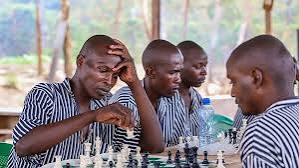
Chess is gaining popularity among prisoners in Kenya, where correctional authorities and their partners are using the strategy game as part of efforts to rehabilitate inmates and prepare them for reintegration into society.
At Maranjau Prison in Murang’a, 27 year old Brian Gatonye, who is serving a three year sentence for assault, has taken up the game during his free time. He says chess has helped him become calmer and more deliberate in his decision making.
“Chess has taught me a lot,” Gatonye said. “It has taught me being wise, being calm, choosing my decisions wisely.”
Gatonye is among a growing number of prisoners across Kenya who have embraced chess in recent years. Correctional officials say the game encourages patience, problem solving and responsible decision making, while also providing opportunities for interaction between inmates and prison officers.
Superintendent Humphrey Young of Maranjau Prison said chess had become an important part of the facility’s rehabilitation programme. The prison houses about 450 inmates, some of whom choose chess during their free time instead of resting or playing football.
Young said the skills acquired through the game could help prisoners manage anger and resolve problems more effectively when they return to their communities.
Chess programmes have operated in some Kenyan prisons since at least 2022, with support from the government, the International Chess Federation, Chess Kenya and The Gift of Chess, a nonprofit organisation that distributes chess equipment.
According to Phylis Ngigi, global outreach director of The Gift of Chess, chess is now played in all 134 prisons in Kenya. Prison authorities have also organised competitions between correctional facilities, while some officers have been trained as chess coaches and participate in games alongside inmates.
Kenya participated for the first time in the FIDE Intercontinental Online Chess Championship for Prisoners in 2024. The country launched its participation through an initiative designed to promote education, social inclusion, critical thinking and rehabilitation within correctional facilities.
The Kenyan government has also continued to incorporate chess into broader prison sports programmes. In 2026, the Kenya Prisons Service included chess alongside athletics and darts in its inter regional sporting competitions.
Beyond competition, correctional officials say the game provides a structured activity that can help inmates develop skills useful for life after prison.
Supporters of the programme say chess can encourage prisoners to consider the consequences of their actions before making decisions.
Monica Njoroge, a project officer at Resources Oriented Development Initiatives, said the game promotes patience, concentration and an understanding of how present decisions can affect future outcomes. Her organisation runs agricultural programmes in prisons aimed at equipping inmates with practical skills for life after release.
For prison officers, chess can also create a different form of interaction with inmates. At Maranjau, officers and prisoners play together, allowing them to engage outside the conventional prison environment.
Phyllis Ngigi of The Gift of Chess said the programme was intended to support rehabilitation rather than simply keep prisoners occupied. She said chess can help participants develop patience, make better decisions and manage anger.
The initiative reflects a broader approach to correctional services in Kenya that places greater emphasis on rehabilitation, education, skills development and social reintegration.
Despite the enthusiasm surrounding the programme, the long term effects of prison chess on behaviour and reoffending in Kenya have not yet been independently established. Participants and officials report perceived benefits, but there is limited evidence measuring whether the programme directly reduces recidivism.
For prisoners such as Gatonye, however, the value extends beyond rehabilitation programmes. He hopes to continue playing after his release, describing chess as a source of calm and mental peace.
Kenya’s experience demonstrates how structured recreational activities can complement formal correctional programmes by giving inmates opportunities to develop cognitive, social and decision making skills while preparing for eventual reintegration into society.









Leave a comment