


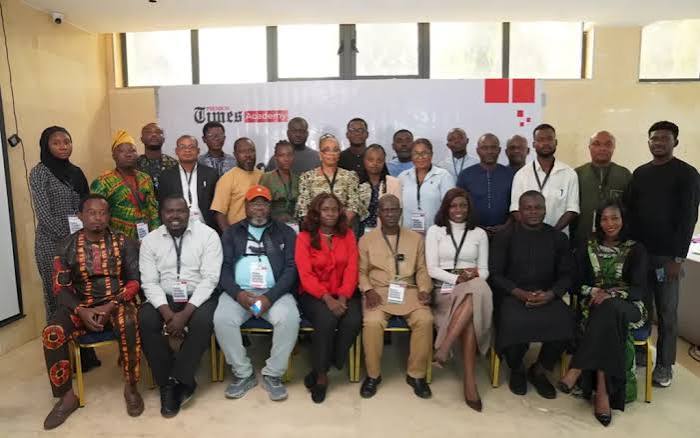
Nigerian journalists have been urged to strengthen verification, conflict sensitive reporting and ethical standards as hate speech, ethnic profiling and artificial intelligence generated disinformation increasingly complicate the country’s information environment.
The call was made during a recent training organised by the Premium Times Academy in collaboration with conflict scholars, which brought together journalists and media practitioners to examine the role of the media in reporting conflict and sensitive social issues.
The discussions highlighted the changing nature of journalism in an environment where news and potentially misleading information can spread rapidly through WhatsApp, X, TikTok and other digital platforms. Participants were encouraged to move beyond the traditional role of gatekeepers by actively checking information before publication.
Publisher of Premium Times, Dapo Olorunyomi, warned journalists about the consequences of careless language and inaccurate descriptions in conflict reporting. He said narratives can influence public perceptions and potentially worsen tensions when journalists fail to consider the implications of the language they use.
Dayo Aiyetan, executive director of the International Centre for Investigative Reporting, focused on the risks associated with ethnic profiling in crime and security reporting.
He questioned the journalistic relevance of identifying a suspect’s ethnicity when that information does not contribute to understanding the reported offence. He said journalists should avoid using ethnic identity to explain individual criminal behaviour or create associations between crime and an entire community.
The concern is particularly relevant in Nigeria, where ethnic and religious identities can intersect with political and security tensions. Stakeholders in the security, media, academic and peacebuilding sectors have separately been developing strategies to address ethnic stereotyping and profiling in security and media reporting.
Artificial intelligence has added another layer to the challenge. Silas Jonathan, Research and Digital Investigations Manager at the Centre for Journalism and Innovation Development, told participants that AI has reduced the cost and increased the speed at which fabricated content can be produced.
He encouraged journalists to examine the narrative that manipulated content is attempting to promote and verify the origin and authenticity of material before publishing or sharing it.
The growing use of AI generated images, audio and video has made traditional verification practices increasingly important. Recent research involving Nigerian journalists found that deepfakes can undermine public trust in individual journalists and media organisations, while potentially exploiting existing ethnic, religious and political divisions.
Nigerian news organisations have also begun developing common approaches to responsible AI use. A recent workshop involving senior journalists and editors from print, broadcast and digital organisations resulted in commitments to make newsroom AI policies public and disclose the use of AI in journalistic work.
The need for stronger verification is also gaining attention ahead of Nigeria’s 2027 general elections. Information Minister Mohammed Idris recently urged broadcasters to distinguish between facts, allegations, opinions and unverified claims, while warning against hate speech, ethnic and religious provocation and deliberate dissemination of false information.
For Nigerian newsrooms, the challenge extends beyond identifying false information. Journalists must also consider whether accurate information is being presented in a way that could unnecessarily stigmatise communities, inflame tensions or reinforce stereotypes.
Experts therefore emphasised professional judgment alongside technological verification tools. Careful sourcing, independent confirmation, context, transparent corrections and conflict sensitive language remain important safeguards as Nigerian audiences increasingly consume news through platforms where manipulated and authentic content can appear side by side.
The discussions underscore the growing responsibility of journalists to protect the credibility of the news profession while ensuring that reporting does not inadvertently contribute to ethnic tensions, hate speech or the spread of AI enabled disinformation.













Leave a comment