


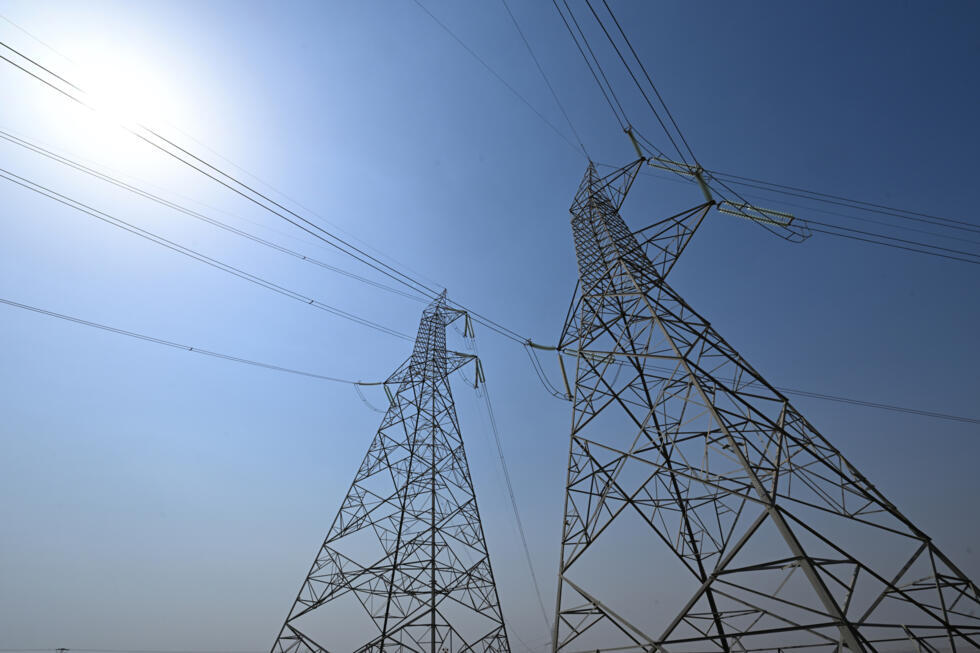
A severe heatwave combined with widespread power outages has disrupted daily life across Tunisia, raising concerns over electricity supply, public health and the resilience of critical infrastructure during periods of extreme weather.
High temperatures have increased demand for electricity, particularly for cooling systems, placing additional pressure on the national power grid. The resulting outages have affected households, businesses and public services in several parts of the country.
Residents have reported prolonged interruptions to electricity supply, with many expressing concern over the impact on daily activities, food preservation and access to essential services. Businesses have also experienced operational disruptions due to the outages.
Public health experts have warned that extreme heat poses heightened risks for older adults, young children and people with underlying health conditions. They have urged residents to stay hydrated, avoid prolonged exposure to the sun during peak hours and follow guidance issued by health authorities.
The heatwave also highlights the growing challenges climate change presents for infrastructure and energy systems. Analysts say rising temperatures are increasing electricity demand across North Africa, underscoring the need for investment in grid modernization, renewable energy and climate-resilient infrastructure.
Authorities are working to restore stable electricity supply while monitoring the effects of the heatwave. Officials have also encouraged consumers to use electricity efficiently to help reduce pressure on the grid during periods of peak demand.
The latest disruptions underscore the importance of strengthening energy infrastructure and emergency preparedness as countries across the region continue to experience more frequent and intense extreme weather events.












Leave a comment