


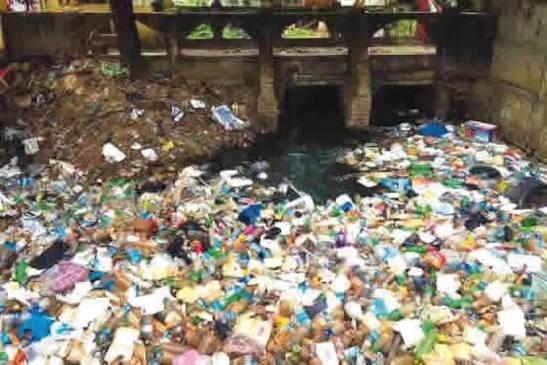
Stakeholders have blamed poor urban planning, inadequate drainage infrastructure and indiscriminate waste disposal for the persistent flooding experienced across Lagos, warning that the annual crisis will continue unless authorities and residents address its root causes.
The concerns were raised following recent torrential rains that submerged major roads, homes and businesses in several parts of the state, leaving thousands of residents stranded and causing widespread property damage. Many affected communities reported significant financial losses, with floodwaters destroying homes, vehicles, shops and farms.
Environmental experts and residents argued that the city’s rapid urban expansion has outpaced investment in drainage systems, while illegal construction on waterways and wetlands has reduced the natural channels that help evacuate floodwaters. They also pointed to poor waste management practices, saying blocked drains caused by indiscriminate refuse disposal have worsened the impact of heavy rainfall.
Lagos State Commissioner for Waterfront Infrastructure Development, Dayo Bush-Alebiosu, attributed much of the flooding to illegal land reclamation, unauthorised dredging and poor environmental habits, stressing that these activities continue to undermine government efforts to tackle flooding. He urged residents to stop dumping refuse into drainage channels and waterways, noting that environmental responsibility is critical to reducing flood risks.
Stakeholders, however, maintained that lasting solutions will require stronger enforcement of planning regulations, sustained investment in drainage infrastructure, improved waste management systems and greater public awareness. They said a coordinated approach involving government, communities and the private sector is essential to building a more flood-resilient Lagos.









Leave a comment