


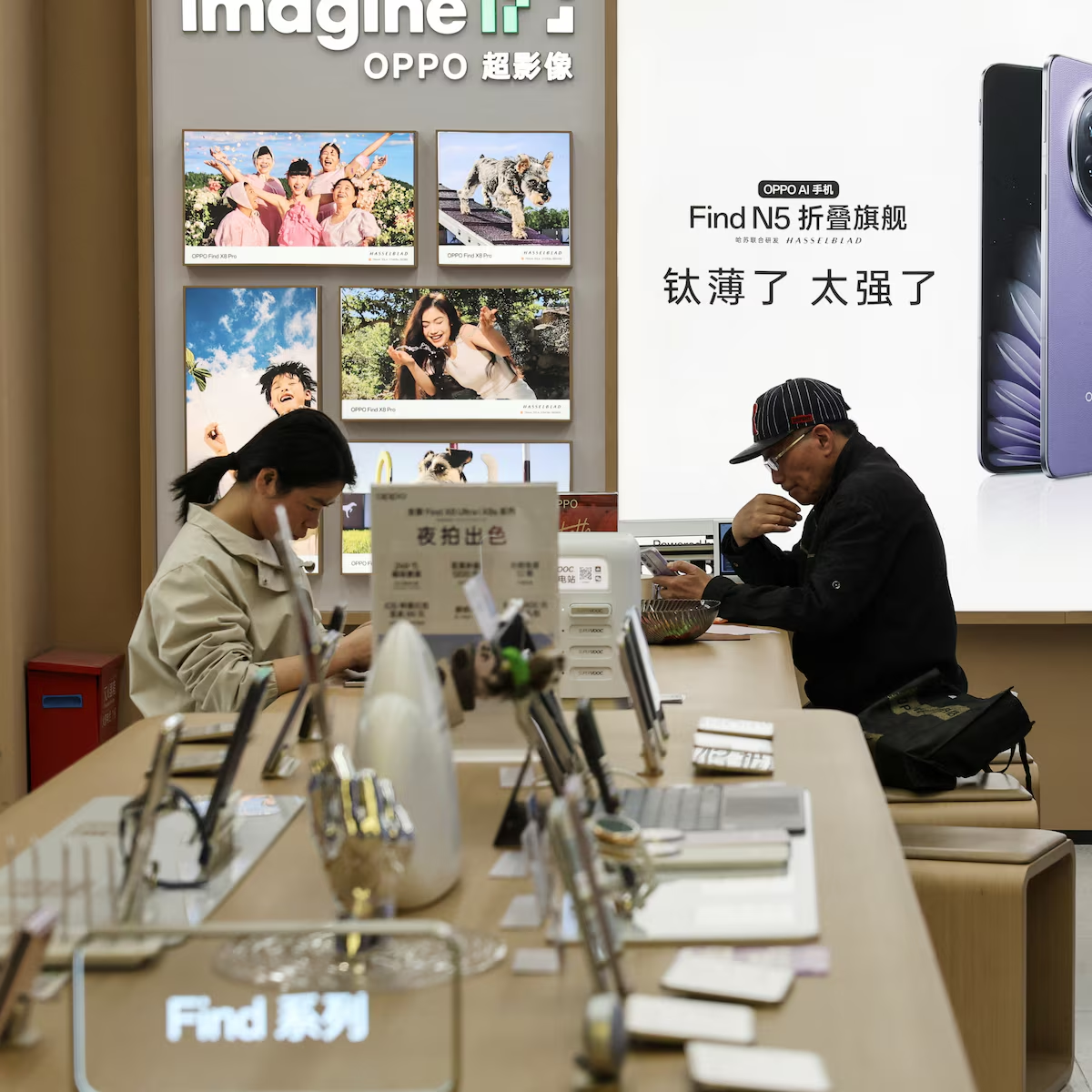
Shipments of foreign branded smartphones in China fell by 7.7 percent year on year in February, according to data from the China Academy of Information and Communications Technology, underscoring the mounting challenges facing international phone makers in one of the world’s most competitive technology markets.
The decline comes amid a broader slowdown in overall smartphone demand, but analysts say foreign brands are being disproportionately affected as domestic manufacturers continue to consolidate their position. Chinese consumers are increasingly turning to homegrown brands that offer high end features at competitive prices, backed by strong local marketing and distribution networks.
Apple remains one of the most prominent foreign players in China, but it has faced growing headwinds in recent months. Competition from Huawei has intensified, particularly after Huawei’s resurgence in the premium segment with advanced chip technology and strong national brand appeal. At the same time, companies like Xiaomi and Oppo have continued to capture market share in the mid range and budget segments.
Industry observers point to a combination of structural and cyclical factors behind the decline. On the structural side, there is a clear shift toward domestic substitution, supported by government policy, consumer sentiment, and rapid innovation by Chinese firms. On the cyclical side, softer consumer spending and cautious purchasing behavior have weighed on discretionary items such as smartphones.
Geopolitical tensions have also played a role, influencing both supply chains and consumer preferences. Restrictions on technology exports and ongoing trade frictions have encouraged China to accelerate its push for self reliance in key sectors, including semiconductors and consumer electronics. This has indirectly benefited local smartphone makers while creating a more complex operating environment for foreign companies.
Despite the decline, China remains a critical market for global smartphone brands due to its scale and technological influence. Analysts say foreign manufacturers may need to rethink their strategies to stay competitive, focusing on localized innovation, stronger partnerships within China’s ecosystem, and pricing models that can better compete with domestic rivals.
The latest CAICT data highlights a continuing shift in market dynamics, suggesting that without strategic adjustments, foreign branded smartphone shipments in China could face sustained pressure in the months ahead.












Leave a comment