


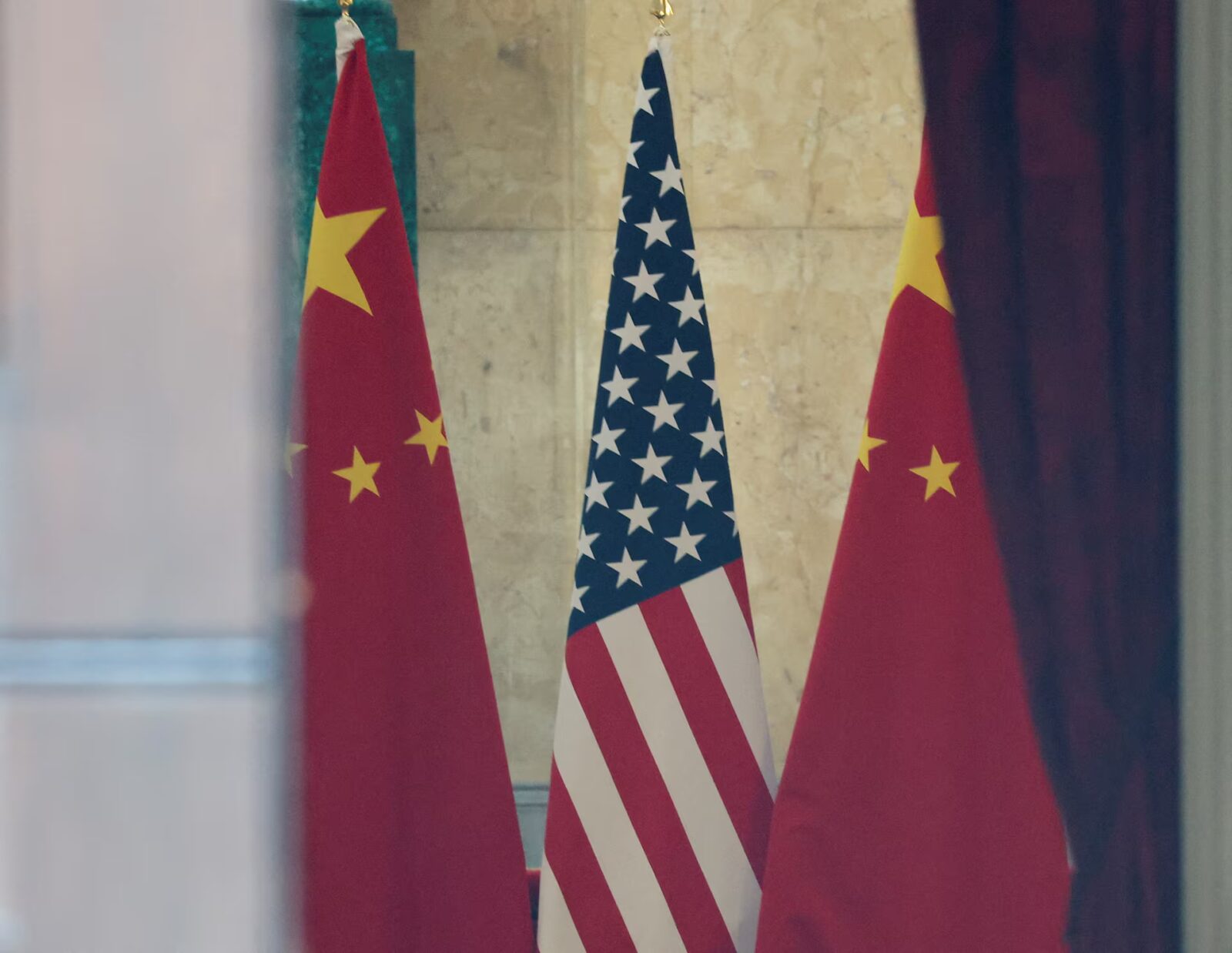
China and the United States held an anti narcotics intelligence exchange meeting this week aimed at strengthening cooperation against drug trafficking and related financial crimes, according to a report by Xinhua News Agency. The discussions took place in the United States from Tuesday to Thursday and brought together officials and enforcement teams from both countries for in depth consultations on evolving narcotics threats and joint countermeasures.
During the sessions, representatives reviewed the current global drug landscape, including the rise of synthetic substances, cross border trafficking networks and the growing use of digital platforms to promote and distribute illicit drugs. Participants also discussed the cleanup of illegal online information linked to narcotics activity, reflecting concerns about how criminal groups use technology to coordinate operations and evade law enforcement scrutiny. Officials from both sides examined ongoing cooperation cases and exchanged intelligence on emerging trafficking routes, organised crime patterns and enforcement strategies designed to disrupt supply chains.
Chemical control was another major focus, particularly regarding precursor substances used in the production of synthetic drugs. Delegations explored regulatory frameworks, monitoring mechanisms and ways to improve coordination in tracking suspicious shipments and preventing diversion into illegal manufacturing networks. In addition, the meeting addressed drug related anti money laundering efforts, with experts sharing insights on financial investigation techniques, cross border asset tracing and collaborative mechanisms to block illicit financial flows that sustain narcotics operations.
According to Xinhua, both sides agreed to promote healthy, in depth and pragmatic cooperation on anti narcotics initiatives moving forward. Analysts view the engagement as a significant step toward maintaining practical collaboration between China and the United States in areas of mutual concern despite broader geopolitical tensions. Continued intelligence sharing and operational coordination could play a critical role in tackling transnational drug trafficking, improving regulatory oversight and strengthening global efforts to combat organised crime networks that operate across multiple jurisdictions.












Leave a comment