


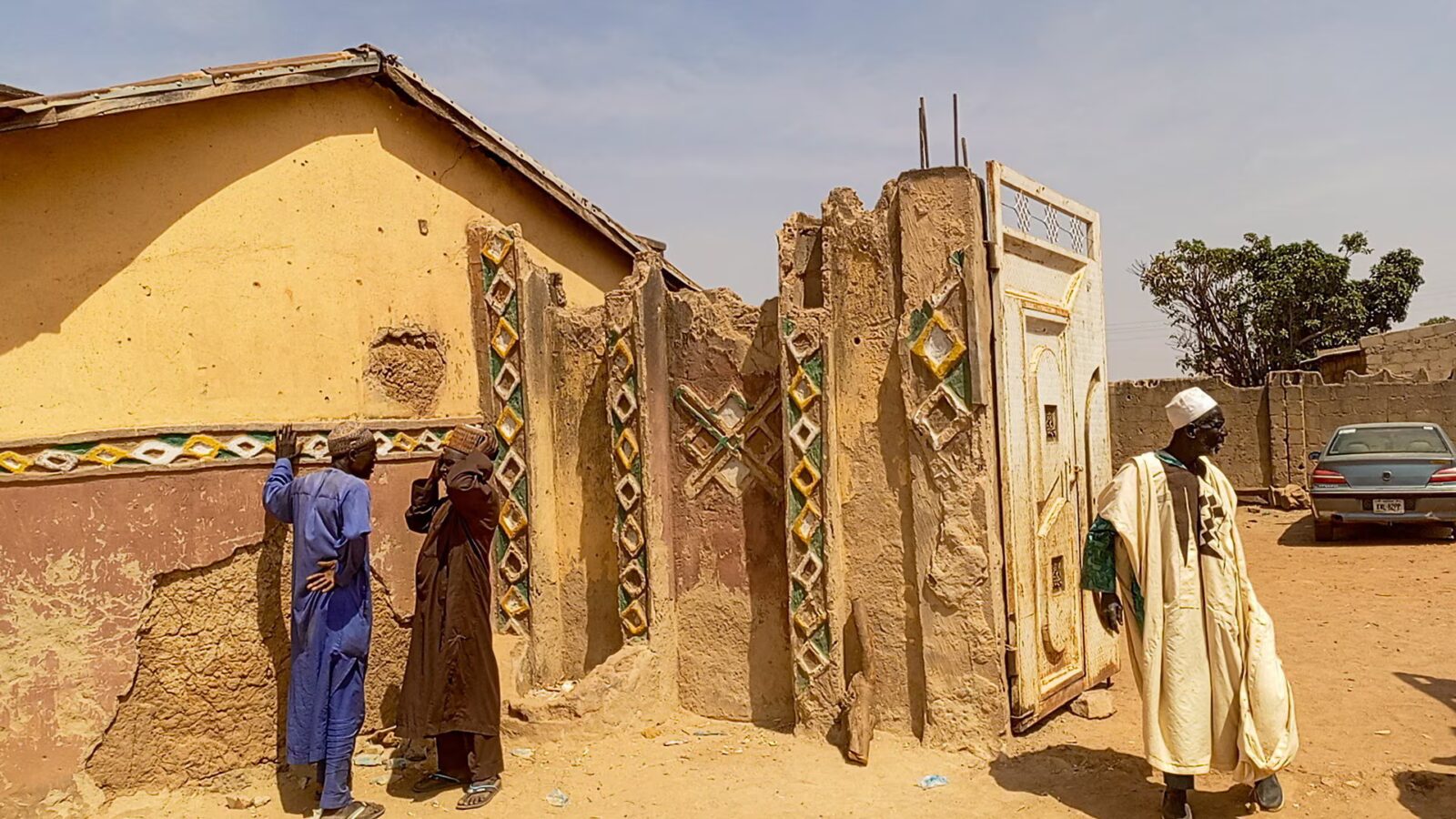
A deadly bandit attack in northern Nigeria has brutally exposed the fragility of local peace efforts that communities have been trying to build with armed groups. In Doma town, Katsina State, residents had struck a deal with local gunmen last September, hoping that the violence would subside and they could return to their farms in peace. For several months, the truce appeared to hold. But on February 3, armed men from the same gang stormed the community, moving house to house and killing at least 21 people, shattering the six‑month agreement and leaving survivors in shock.
The attack underscores the precarious nature of informal peace deals across Nigeria’s northwest. Officials from around 15 districts in Katsina, along with leaders in Kaduna, Sokoto, and Zamfara states, have been making similar arrangements with armed groups in hopes of reducing violence. These deals often emerge out of desperation, as communities seek to protect themselves in the absence of effective state security. Yet the massacre in Doma illustrates how quickly such agreements can collapse, leaving civilians vulnerable to renewed attacks.
Local leaders had hoped that dialogue could provide breathing space for farming and daily life, but the betrayal of the truce has deepened mistrust. Residents now fear that the Doma tragedy could be repeated elsewhere, undermining fragile efforts to stabilize rural communities. The incident also highlights the broader challenge facing Nigeria’s government: how to address the root causes of banditry, including poverty, weak governance, and lack of security, while ensuring that peace initiatives do not simply empower armed groups to regroup and strike again.
The killings in Katsina are part of a wider pattern of insecurity across Nigeria’s north, where bandit gangs have carried out raids, kidnappings, and massacres with devastating impact. While local peace deals may offer temporary relief, the Doma attack shows that without stronger state intervention and lasting solutions, communities remain at the mercy of armed groups.











Leave a comment