


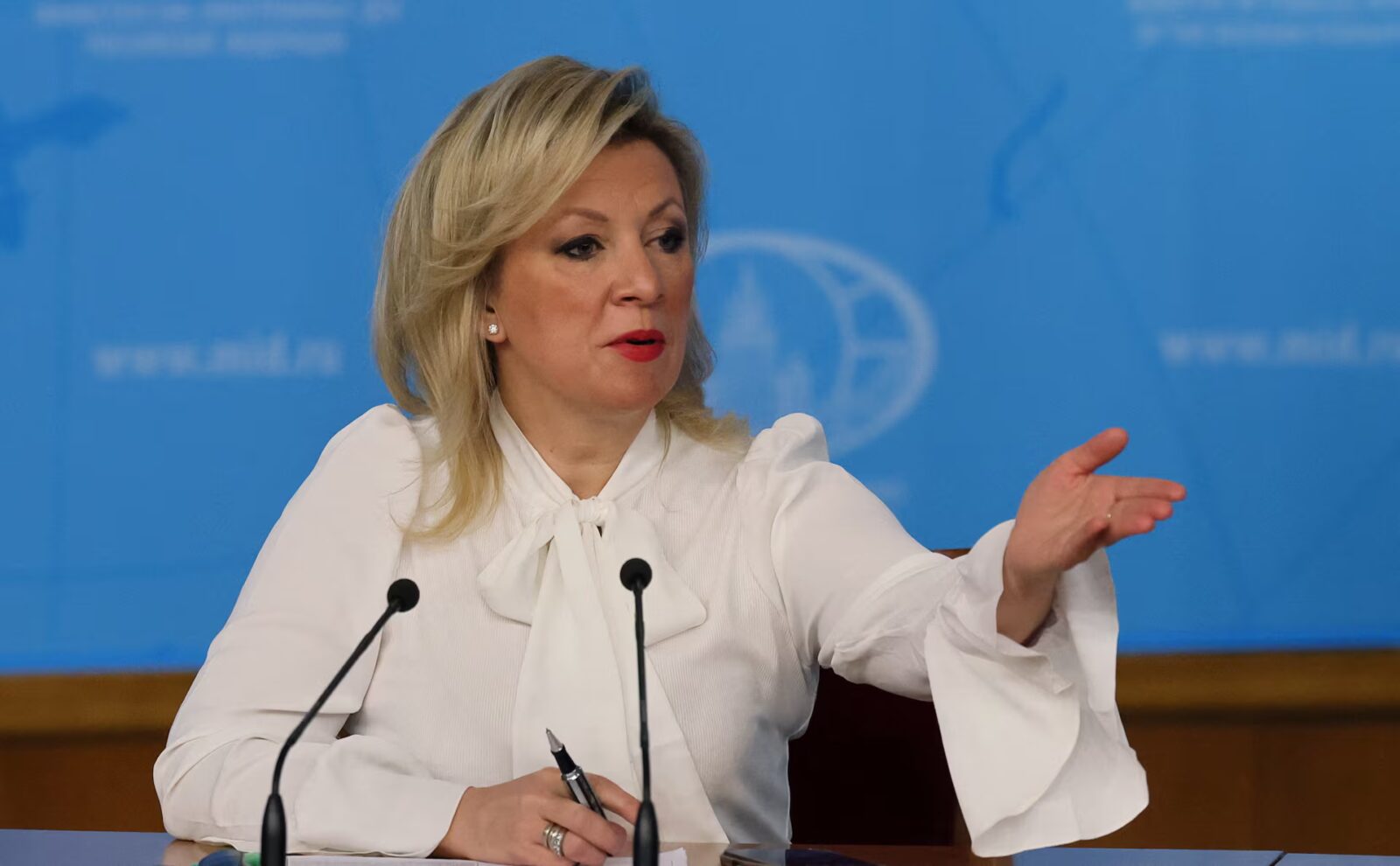
Russia’s Foreign Ministry confirmed Wednesday that its proposal to remove enriched uranium from Iran remains active, though emphasized that any decision rests solely with Tehran.
“Russia once offered to export Iran’s enriched uranium reserves to its territory. This initiative is still on the table,” Foreign Ministry spokeswoman Maria Zakharova told reporters during a regular briefing.
Zakharova stressed that the proposal respects Iranian sovereignty over its nuclear materials. “Only Iranians have the right to dispose of them, including deciding whether to export them outside the territory of Iran and, in case of a positive decision, where to export them to or not,” she said.
The Russian proposal aims to address U.S. and Western concerns about Iran’s growing stockpile of enriched uranium, which has reached levels that significantly reduce the time needed to produce weapons-grade material. By removing substantial quantities from Iranian territory, the proposal could serve as a confidence-building measure amid stalled nuclear negotiations.
Iran’s nuclear program has been a flashpoint since the U.S. withdrew from the 2015 nuclear deal in 2018. Since then, Iran has progressively enriched uranium to levels as high as 60% purity far beyond the original 3.67% limit and approaching the 90% threshold generally considered weapons-grade.
Russia’s continued emphasis on the proposal signals Moscow’s interest in playing a mediating role in Middle Eastern nuclear diplomacy, particularly as both Russia and Iran face extensive Western sanctions. For Iran, accepting such an arrangement could potentially bring sanctions relief or diplomatic benefits, though Tehran has historically been reluctant to relinquish control over its nuclear materials.
Any decision to export enriched uranium would require approval from Iran’s highest authorities, including Supreme Leader Ayatollah Ali Khamenei. Iranian officials have not publicly responded to Zakharova’s latest comments.
The international community watches closely as the diplomatic window for addressing Iran’s nuclear program remains open but increasingly narrow.







Leave a comment