


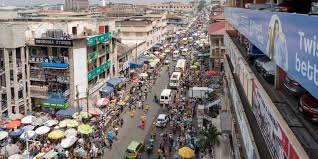
Ghana has recorded a notable improvement in living standards as its multidimensional poverty rate declined for the third consecutive quarter, according to new data released by the Ghana Statistical Service. The announcement signals steady progress in reducing deprivation across key aspects of daily life, even as structural challenges continue to shape the country’s broader poverty landscape.
The multidimensional poverty index goes beyond income levels to measure deprivation across critical areas such as health, education, employment, and living conditions, including access to clean water, sanitation, and adequate housing. By capturing these interconnected factors, the index provides a more comprehensive picture of how households experience poverty and wellbeing.
According to the latest figures, Ghana’s multidimensional poverty rate fell from 23.9 percent in the first quarter of 2025 to 21.9 percent by the third quarter. This sustained decline confirms a nationwide trend of gradual improvement and represents a significant shift in living conditions for a large segment of the population. Statisticians estimate that nearly one million people, out of Ghana’s population of about 35 million, moved out of multidimensional poverty within the space of a year.
Officials say the reduction reflects improvements in access to basic services and overall living conditions. Expanded access to clean water, better sanitation coverage, and gains in education and health indicators have contributed to easing deprivation in many communities, particularly in urban and peri urban areas. Incremental gains in employment and household resilience have also played a role in lifting some families above the poverty threshold defined by the index.
Despite the positive trend, the data highlights persistent inequalities. Economic hardship remains most severe among households headed by individuals with no formal education, underscoring the strong link between educational attainment and long term wellbeing. These households are more likely to experience overlapping deprivations, including limited job opportunities, poor housing conditions, and restricted access to essential services. Vulnerable groups, including women, children, and rural populations, continue to bear a disproportionate share of the poverty burden.
The government statistician cautioned that while the headline figures point to progress, the underlying drivers of poverty have not fundamentally changed. Structural issues such as uneven regional development, informal employment, exposure to economic shocks, and limited social protection systems continue to place many households at risk of falling back into poverty. Rising living costs and external economic pressures could also slow or reverse recent gains if not carefully managed.











Leave a comment