


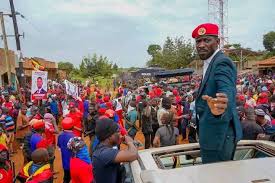
Ugandan authorities have charged more than one hundred members of the country’s largest opposition party with a range of offences, including unlawful assembly, following violence linked to last week’s presidential election. The charges, detailed in court documents and confirmed by opposition officials, have intensified concerns about political repression and the shrinking space for dissent in the east African nation.
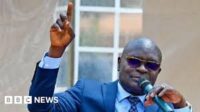
The arrests come in the aftermath of the January 15 election, which returned President Yoweri Museveni to power with a declared landslide victory. According to official results, Museveni secured 71.6 percent of the vote, defeating his main challenger, opposition leader Bobi Wine, who received 24 percent. Museveni, now 81 years old, has ruled Uganda for nearly four decades, making him one of Africa’s longest serving leaders.
Opposition figures argue that the charges against their members are part of a broader pattern of intimidation aimed at silencing dissent and discouraging political mobilisation. They say many of those charged were arrested during protests and gatherings that erupted after the announcement of the election results, with supporters expressing anger and disbelief at the scale of Museveni’s victory. The opposition maintains that the election was marred by irregularities, voter suppression, and heavy handed security operations.
Government authorities, however, insist that the arrests are lawful and necessary to maintain public order. Police and security agencies have described the post election unrest as violent and destabilising, accusing opposition supporters of organising unlawful assemblies and engaging in acts that threatened lives and property. Officials argue that the charges are based on evidence collected during the disturbances and are not politically motivated.
The election period itself was marked by heightened security measures, including restrictions on rallies, a strong military presence in urban centres, and limits on opposition campaigning. Bobi Wine, a former musician turned politician, was repeatedly detained or blocked from holding events during the campaign, drawing criticism from human rights organisations and foreign observers. The arrests following the vote have further deepened fears that Uganda is entering a more openly repressive phase.
Legal experts note that charging such a large number of opposition members at once sends a powerful signal. Even if some cases do not result in convictions, the process itself can drain the resources of opposition parties, intimidate supporters, and discourage future protests. Court proceedings could also stretch on for months, keeping political tensions alive long after the election has ended.
Uganda’s political landscape has long been shaped by Museveni’s dominance and the state’s reliance on security forces to manage opposition activity. While elections are regularly held, critics argue that the playing field is heavily tilted in favour of the ruling establishment. The treatment of opposition supporters after the latest vote has reinforced perceptions that dissent is increasingly criminalised.
International reaction has been cautious but watchful. Past elections in Uganda have drawn criticism from foreign governments and rights groups over the conduct of security forces and restrictions on political freedoms. The mass charging of opposition members is likely to add to that scrutiny, particularly as Uganda seeks to maintain its image as a stable regional partner.
For opposition supporters, the situation has created a climate of fear and uncertainty. Families of those charged face legal costs and the emotional toll of prolonged court cases, while activists worry about further arrests. At the same time, the opposition leadership faces the challenge of keeping its base mobilised without exposing supporters to additional risk.
As Uganda moves beyond election day, the charging of over one hundred opposition members highlights the unresolved tensions at the heart of the country’s politics. The coming weeks will test the independence of the courts, the restraint of security forces, and the willingness of the government to tolerate dissent. Whether these cases lead to convictions or are quietly dropped, their impact on Uganda’s democratic credibility and political stability is likely to be felt well beyond the courtroom.







Leave a comment