


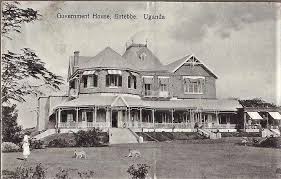
The official residence of every Ugandan president, State House, sits quietly in the leafy and hilly Nasakero area of Kampala, overlooking parts of the capital city. Designed as a symbol of national authority and continuity, the complex has long represented the seat of executive power in Uganda.
For the past four decades, however, State House has been home to just one leader. President Yoweri Museveni, who came to power in 1986 after leading a rebel movement that toppled a military government, has occupied the residence longer than any other Ugandan president. His tenure has defined an entire political era and shaped the lives of generations of Ugandans, many of whom have never known another head of state.
When Museveni assumed power, he promised a break from the cycles of instability, coups and authoritarian rule that had characterised Uganda’s post independence history. His early years in office were marked by relative stability, economic reforms and efforts to rebuild state institutions after years of conflict. During this period, State House became associated with a renewed sense of order and national reconstruction.
Over time, Museveni’s prolonged stay in power has increasingly become a subject of debate, both at home and abroad. Supporters credit him with maintaining security, fostering regional influence and positioning Uganda as a key ally in international peacekeeping efforts. Critics, however, argue that his long rule has entrenched authoritarian practices, weakened democratic institutions and narrowed political space.
State House itself has come to symbolise this continuity of power. What was once envisioned as a residence that would change occupants with each electoral cycle has instead reflected the permanence of Museveni’s leadership. As Uganda continues to navigate contentious elections, demographic change and growing demands for political reform, the residence remains a powerful reminder of how deeply one presidency has shaped the country’s modern history.
Whether viewed as a stabilising force or a symbol of political stagnation, State House in Nasakero stands at the centre of Uganda’s national story, closely intertwined with the legacy of President Yoweri Museveni and the questions surrounding the country’s political future.






Leave a comment