


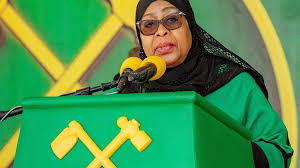
Tanzania’s President Samia Suluhu Hassan has, for the first time, publicly expressed regret over the government’s decision to impose an internet shutdown during the country’s disputed October elections, a period that descended into the worst post election violence Tanzania has witnessed in decades.
Speaking in Dodoma before diplomats and representatives of international organisations, President Hassan acknowledged that the state’s response to the unrest caused significant disruption. The measures included a nationwide six day internet blackout and a sweeping security crackdown aimed, according to the government, at restoring order after election day disturbances.
“We acknowledge the challenges of the unrest and violence on the election day and shortly thereafter,” the president said. “Our response was essential to maintain constitutional order and ensure the safety of all citizens and the diplomatic community.”
The elections were highly controversial. President Hassan secured more than 97 percent of the vote, but the credibility of the outcome was widely questioned after major opposition candidates were barred from participating. At the same time, the country’s leading opposition figure remained in detention on treason charges, further fuelling domestic and international criticism.
Following the announcement of the results, violence erupted in several parts of the country. Human rights organisations reported that hundreds of people were killed during clashes between security forces and protesters, marking one of the darkest chapters in Tanzania’s recent political history.
In an apparent effort to ease tensions and signal a willingness to reconcile, President Hassan also announced a significant clemency initiative. She confirmed that 1,787 convicts linked to the unrest and violence of October 29 had been pardoned, describing the move as part of broader efforts to stabilise the country and promote healing.
Despite these steps, foreign observers and election monitoring groups have maintained that the vote failed to meet basic democratic standards. Concerns were raised about the exclusion of opposition voices, restrictions on media and communication, and the use of force to quell dissent. In response to the outcry, a commission of inquiry has been established to investigate the violence and events surrounding the election.
President Hassan’s remarks mark a notable shift in tone from earlier government statements that strongly defended the shutdown and security measures. While she stopped short of apologising, her acknowledgement of the disruption and the announcement of pardons suggest a cautious attempt to rebuild trust at home and repair Tanzania’s standing abroad as scrutiny of its democratic practices continues.









Leave a comment