


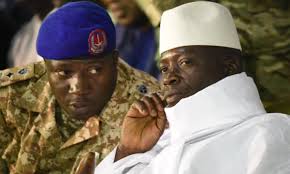
The Gambia has taken a major step in its long and complex journey toward transitional justice, as the Gambia Reparations Commission announced it has begun paying reparations to victims of human rights abuses committed during the authoritarian rule of former president Yahya Jammeh.
In a statement released on Monday, the commission described the commencement of payments as a “significant milestone” in its mandate to restore justice and dignity to victims who suffered grave violations under Jammeh’s 22 year regime. The payments, the commission said, are being made in phases, beginning with victims who experienced abuses during the early years of Jammeh’s time in power.
“The Commission reaffirms its unwavering commitment to delivering transformative, transparent and victim centered reparations in accordance with its mandate,” the statement said, emphasising that the process is designed to prioritise fairness and accountability.
Yahya Jammeh, a former military officer, seized power in a bloodless coup in 1994 and ruled The Gambia until 2017. His government became notorious for widespread human rights violations, including extrajudicial killings, enforced disappearances, torture, and arbitrary detention. Jammeh went into exile after losing the 2016 presidential election to Adama Barrow, following sustained domestic and international pressure.
The Reparations Commission was established in 2017 as part of The Gambia’s broader transitional justice framework. Its work is closely linked to efforts to document abuses, collect testimonies from victims and witnesses, and promote national reconciliation after decades of fear and repression. The reparations process aims not only to provide financial compensation but also to acknowledge the harm suffered by victims and affirm their dignity.
For many survivors, the start of reparations represents long awaited recognition by the state of the suffering they endured. While challenges remain, including ensuring sustainability of payments and reaching all eligible victims, the commission’s move signals concrete progress in translating truth seeking and accountability into tangible outcomes.
As The Gambia continues to confront the legacy of Jammeh’s rule, the reparations programme stands as a critical test of the country’s commitment to justice, healing, and rebuilding trust between citizens and the state.








Leave a comment