


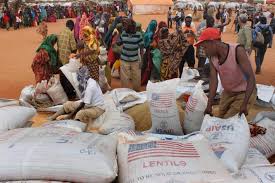
Relations between Somalia and the United States have entered a period of sharp strain following Washington’s decision to pause further assistance that directly benefits the Somali government. The move comes amid a dispute over the demolition of a World Food Programme warehouse in Mogadishu and allegations that donor funded food aid intended for vulnerable Somalis was unlawfully seized.
The decision was announced by the U.S. State Department, which said Somali government officials had destroyed a warehouse funded by the United States and interfered with the handling of humanitarian supplies. According to U.S. officials, the warehouse stored significant quantities of specialised nutritional food used in emergency responses, at a time when millions of Somalis are facing acute food insecurity. Washington stressed that it operates a zero tolerance policy toward the misuse, diversion or destruction of life saving aid, and said any future support would depend on accountability and corrective actions.
Somalia’s government has strongly rejected the allegations. Officials in Mogadishu insist that the food aid was not destroyed and remains under the control of the World Food Programme. They argue that the warehouse demolition was linked to port redevelopment and expansion activities and did not disrupt humanitarian operations. The government has reiterated its commitment to working with international partners and maintaining transparency in aid management, while calling for dialogue to resolve what it describes as a misunderstanding.
The dispute has raised serious humanitarian and political concerns. Somalia remains one of the world’s most fragile states, grappling with insecurity, climate shocks and widespread poverty. International assistance plays a critical role in supporting food aid, health services and basic governance. Any pause in cooperation risks further hardship for communities already under severe pressure.
Beyond the immediate humanitarian implications, the episode highlights deeper challenges in donor recipient relations. It underscores the tension between the need for strict oversight of aid and the realities of operating in fragile political and institutional environments. As both sides hold firm to their positions, observers warn that prolonged tensions could weaken broader cooperation on security, development and humanitarian response.
For now, diplomatic engagement continues behind the scenes. Humanitarian actors and international partners are urging a swift resolution that protects the flow of aid to those most in need, while addressing concerns around accountability and trust. The outcome of this dispute is likely to shape the future tone of U.S. Somalia relations at a critical moment for the country’s stability and recovery.










Leave a comment