


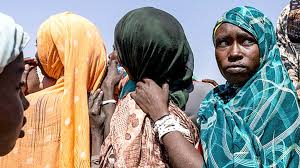
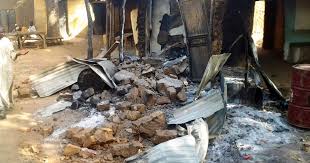
A new investigation has uncovered extensive evidence that Sudan’s air force has carried out deadly bombings across residential neighbourhoods, markets, schools and camps for displaced people, killing at least 1,700 civilians since the country’s civil war erupted in April 2023.
The findings come from the Sudan Witness Project, which has assembled what is believed to be the most comprehensive dataset of military airstrikes in the conflict. The research focuses exclusively on attacks by warplanes, which only the Sudanese Armed Forces are capable of operating. Although the Rapid Support Forces conduct drone strikes, these were deliberately excluded from the analysis to isolate the effects of aerial bombardment.
According to the report, the air force has repeatedly deployed unguided bombs in populated areas, significantly heightening the risk to civilians. Entire neighbourhoods, bustling marketplaces and overcrowded displacement camps have been struck, worsening an already severe humanitarian emergency.
While the RSF has drawn global condemnation for alleged ethnic massacres in Darfur and accusations of genocide by the United States, experts argue that the actions of the SAF must also be scrutinised. Mark Snoeck, who led the Sudan Witness Project, said that although RSF abuses dominate international attention, the scale of government airstrikes demands equal accountability.
The SAF has not responded to a request for comment. It has previously denied targeting civilians and insists that its operations are directed solely at RSF positions, which it describes as legitimate military targets.
The Sudan Witness Project, an initiative of the Center for Information Resilience, analysed 384 airstrikes carried out between April 2023 and July 2025. The organisation, supported by funding from the British foreign ministry, aims to expose human rights violations and strengthen the global record of wartime abuses.
The report is expected to intensify calls for independent investigations, as Sudan’s conflict continues to devastate civilian populations and fuel one of the world’s most alarming humanitarian crises.






Leave a comment