


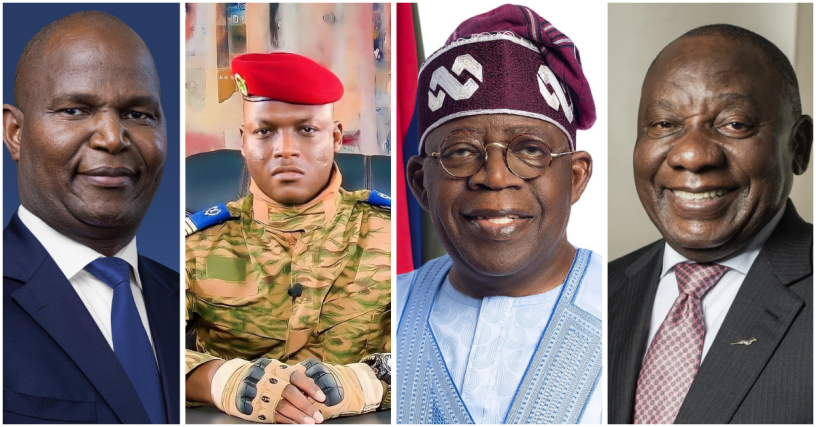
In a major boost for Africa’s economic credibility, Nigeria, South Africa, Mozambique and Burkina Faso have been officially removed from the Financial Action Task Force (FATF) global grey list a move that marks a turning point in the continent’s fight against money laundering and terrorist financing.
The FATF, the international watchdog responsible for tracking illicit financial activity, announced the delisting in Paris last Friday, citing the countries’ “significant progress” in strengthening financial oversight and transparency. The decision is being hailed as a vote of confidence for Africa’s two largest economies, Nigeria and South Africa, whose inclusion on the list in recent years had raised alarm among investors and global lenders.
Being on the grey list has long carried economic consequences. It signaled weak financial systems and triggered tougher scrutiny from international banks, higher transaction costs, and declining investor confidence. Now, with their removal, these nations are expected to experience a surge in credibility, investment flow, and business confidence.
Nigeria’s reforms played a pivotal role in this turnaround. The country rolled out tougher anti-money-laundering laws, tightened controls on digital and mobile money transactions, and improved coordination between its Financial Intelligence Unit and the Economic and Financial Crimes Commission (EFCC). These steps helped rebuild trust in Nigeria’s financial sector and demonstrated the government’s political will to curb illicit flows.
South Africa, still recovering from years of corruption scandals, also made sweeping changes. It empowered financial regulators to better trace suspicious transactions and introduced stronger accountability measures to prevent state capture and corruption. The FATF praised these efforts as proof of “substantial effectiveness and political commitment,” while noting that sustained vigilance remains vital.
For Mozambique and Burkina Faso, the reforms focused on curbing cross-border money flows tied to armed groups, tightening border surveillance, and improving intelligence-sharing mechanisms.
The delisting is more than a technical milestone — it has real economic implications. For Nigeria, it could mean cheaper cross-border transactions, a stronger Naira, and easier access to international funding for entrepreneurs. For South Africans, it could lower borrowing costs, boost job creation, and enhance consumer protection.
Regionally, the move also benefits Africa as a whole. Investors often view African economies collectively, meaning the reputational recovery of Nigeria and South Africa could have a ripple effect across neighbouring nations like Ghana, Kenya, and Côte d’Ivoire, potentially unlocking more opportunities in fintech, renewable energy, and manufacturing.
However, experts warn that delisting doesn’t mean the battle is over. FATF will continue to monitor all four countries to ensure reforms remain effective. Nigeria faces the challenge of balancing rapid fintech expansion with compliance, while South Africa must guard against political backsliding ahead of elections.
Still, this moment represents a powerful symbol of progress. The removal of Nigeria, South Africa, Mozambique, and Burkina Faso from the FATF grey list shows that African nations are not just reforming but redefining how the world perceives their financial systems with transparency, accountability, and growth leading the way.









Leave a comment