


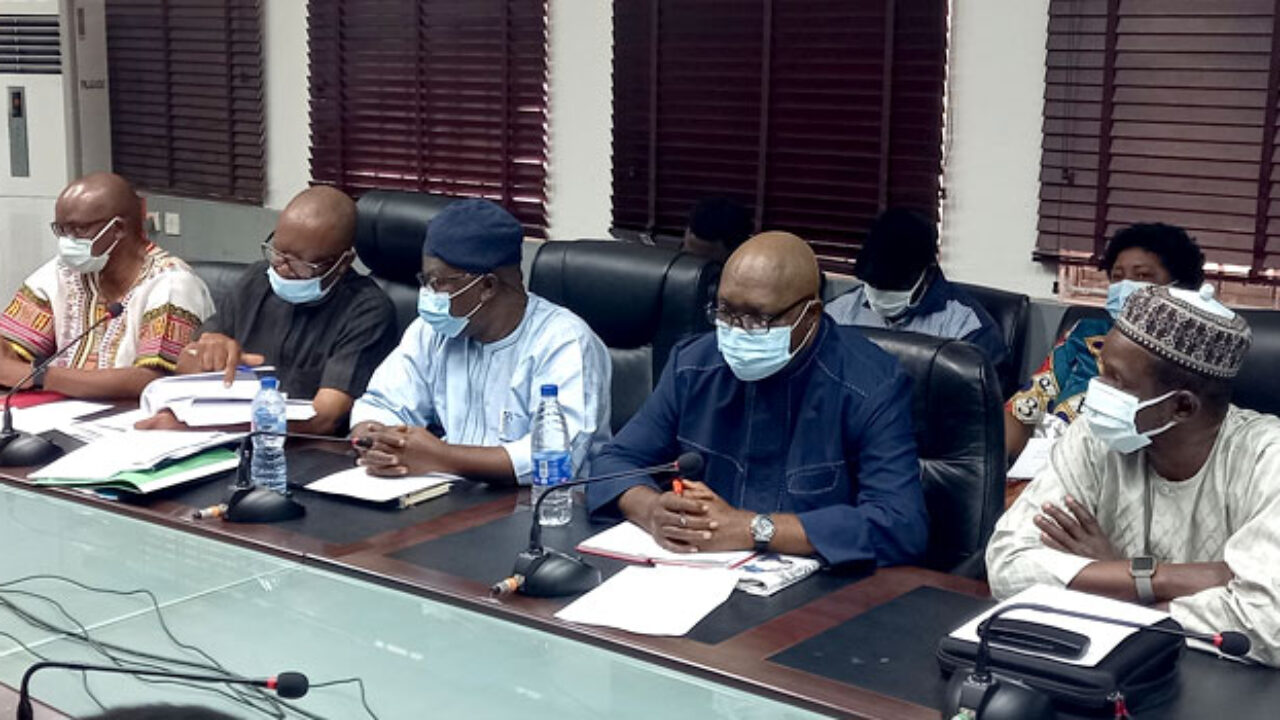
After weeks of nationwide tension and academic uncertainty, the Academic Staff Union of Universities has officially suspended its ongoing strike, clearing the path for academic activities to resume across Nigeria’s public universities. The decision came after renewed commitments from the Federal Government and the National Assembly to meet the union’s long-standing demands aimed at revitalizing the nation’s higher education system.
ASUU President Professor Chris Piwuna announced the suspension during a press conference in Abuja, stating that the union decided to call off the strike following a series of productive engagements with the Yayale Ahmed-led government committee and the Office of the Deputy Senate President. According to him, the discussions resulted in fresh assurances from government representatives that all unresolved issues would be addressed in a time-bound and transparent manner.
Professor Piwuna explained that ASUU made the decision in good faith to give the government another opportunity to fulfill its promises but warned that the union would not hesitate to resume industrial action if those promises were not kept. He emphasized that the Federal Government had renewed its commitment to fully implement the 2009 ASUU-FG Agreement, settle earned academic allowances owed to lecturers, provide revitalization funds to upgrade university infrastructure, and review the Integrated Personnel and Payroll Information System which the union has long opposed.
In his words, “We have chosen to suspend the strike in good faith based on new assurances from the Federal Government and the National Assembly. However, ASUU will be monitoring every step of implementation to ensure the promises made are kept. Nigerian universities cannot continue to suffer from neglect and underfunding.”
The announcement brought immediate relief and excitement across campuses nationwide. Students and parents expressed joy over the news, describing it as a welcome development after weeks of uncertainty and frustration. Many students flooded social media platforms with messages of celebration as universities began preparing to reopen and resume lectures. Academic calendars are expected to be adjusted to make up for the time lost during the industrial action.
Stakeholders in the education sector have also reacted positively to ASUU’s decision, commending the union for prioritizing dialogue and national interest. The National Association of Nigerian Students described the suspension as a victory for students and called on the Federal Government to honour its commitments to prevent another disruption. Education experts have also urged the government to act swiftly, warning that continued instability in the university system has weakened Nigeria’s academic reputation and driven many young Nigerians abroad in search of quality education.
The latest development is seen as an opportunity for both ASUU and the Federal Government to rebuild trust and ensure lasting stability in the university system. Observers believe that if the new commitments are fully implemented, the move could finally break the cycle of recurring strikes that have plagued Nigeria’s higher education for decades.
With the strike now suspended, universities across the country are expected to reopen immediately, allowing students to return to classrooms and academic life to return to normalcy. There is renewed optimism that this agreement could mark the beginning of a new era of cooperation and accountability between the government and the academic community.
ASUU’s latest decision underscores the importance of sustained dialogue and genuine commitment to reforming Nigeria’s education sector. Both sides are now under public watch to ensure that the promises made translate into real improvements in university funding, research quality, and staff welfare. For millions of students, lecturers, and parents, this development represents not just the end of a strike but a renewed hope for the future of public education in Nigeria.







Leave a comment