


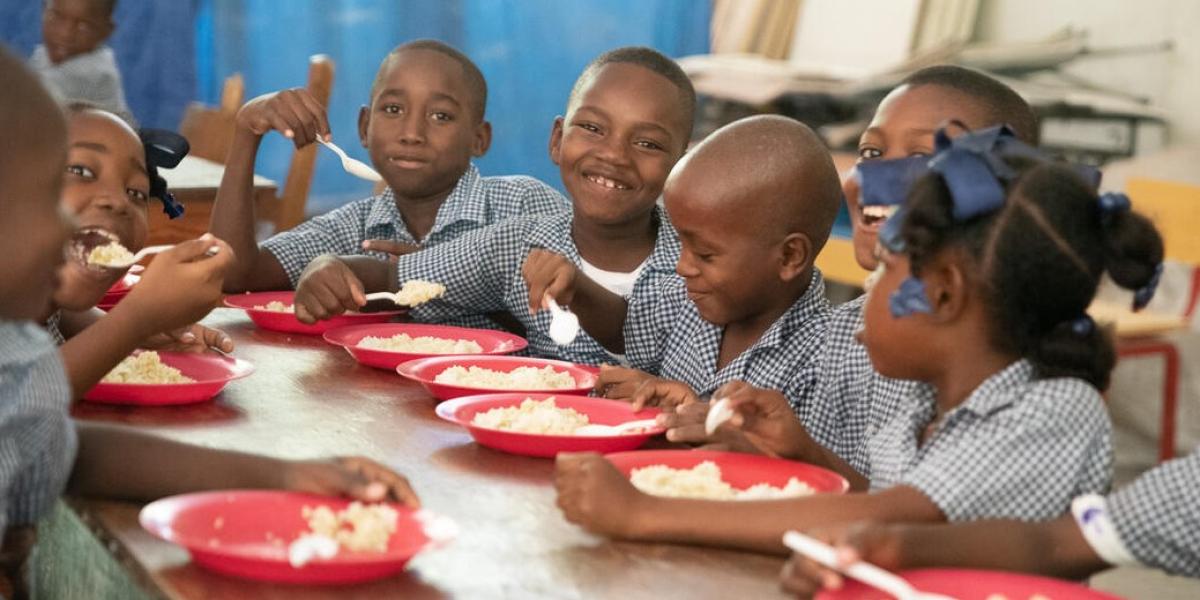
Sub-Saharan African governments have significantly expanded their commitment to education and child welfare by providing school meals to an additional 20 million children over the past two years, according to the World Food Programme (WFP). The achievement highlights a decisive shift away from reliance on foreign aid and toward greater self-reliance and national investment in education and nutrition.
The region recorded the largest global increase in school feeding coverage, with the number of children receiving meals at school rising by nearly one-third, from around 67 million to 87 million in 2024. This surge demonstrates how African governments are increasingly recognizing the dual impact of school meals not only as a tool to combat hunger and malnutrition but also as a critical driver of educational participation, retention, and performance.
Countries such as Ethiopia, Rwanda, Madagascar, and Chad despite facing severe economic constraints and, in some cases, ongoing humanitarian crises, have led the way in expanding their programs. According to WFP data, some of these nations managed to increase school meal coverage by six times within the two-year period, reflecting a strong political will to prioritize children’s welfare even amid financial hardship.
The expansion of school feeding programs across sub-Saharan Africa carries broad implications. Access to daily school meals has been proven to encourage enrollment, reduce dropout rates, and improve classroom performance, especially in rural and food-insecure communities. For many children, the meal provided at school remains the most reliable source of daily nutrition. This not only improves their health but also strengthens families’ confidence in sending children to school rather than keeping them home for labor or household responsibilities.
The WFP emphasized that this progress also signals a shift toward long-term sustainability in addressing hunger. While international aid has historically played a key role in school feeding, more African governments are now funding and managing programs directly. This evolution reflects a broader trend of ownership and accountability in addressing social and developmental challenges.
Nutrition experts point out that the benefits extend beyond education. School feeding programs contribute to poverty reduction, gender equality, and community resilience, as they often source food locally from farmers and suppliers, stimulating rural economies. In countries like Rwanda and Ethiopia, integration of local food systems into school meal initiatives has boosted agricultural production and livelihoods, creating a cycle of shared prosperity.
Despite this remarkable progress, challenges remain. Many regions in sub-Saharan Africa continue to struggle with conflict, climate shocks, and economic instability, all of which threaten the continuity and scale of school feeding programs. The WFP and other partners have urged governments to strengthen policy frameworks, funding mechanisms, and monitoring systems to ensure these gains are sustained and expanded.
Nevertheless, the latest figures from WFP underscore a powerful narrative of progress: sub-Saharan Africa is increasingly taking the lead in investing in its future generations. By ensuring that millions more children receive nutritious meals at school, African leaders are laying a stronger foundation for education, human capital development, and long-term socio-economic growth.













Leave a comment