


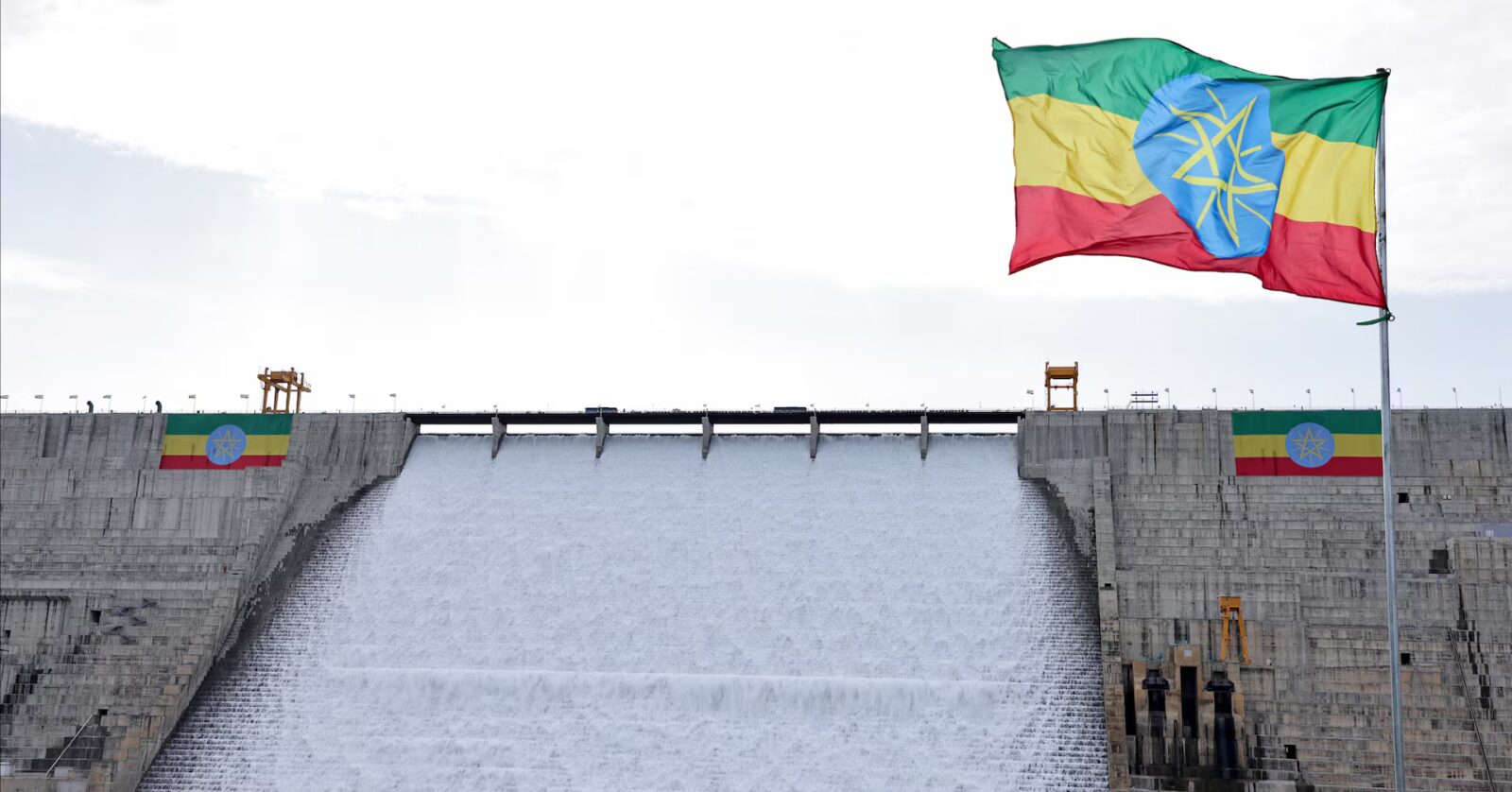
Ethiopia has marked a historic milestone with the inauguration of the Grand Ethiopian Renaissance Dam (GERD), Africa’s largest hydroelectric power project, aimed at boosting the economy, solving frequent nationwide blackouts, and supporting the country’s ambitious shift toward electric vehicle development after banning the importation of gasoline-powered cars. The $5 billion mega-dam, constructed on a tributary of the Nile River near the Sudanese border, is designed to generate more than 5,000 megawatts of electricity and is projected to double Ethiopia’s national power capacity, according to government officials. As the turbines roared to life and waters from the reservoir began flowing through, large screens across Addis Ababa streamed the inauguration ceremony, drawing crowds of Ethiopians in colorful attire who celebrated the achievement with dancing and traditional music. Prime Minister Abiy Ahmed, presiding over the launch, described the GERD as a “big achievement” and a powerful symbol of what Africans can accomplish when united behind infrastructure and innovation.
The event drew dozens of African heads of state and government, underscoring the dam’s importance not only for Ethiopia but also for the wider region. South Sudan’s President Salva Kiir announced plans to sign an electricity import agreement with Ethiopia, highlighting how the project will directly benefit hospitals, schools, and other essential services in his country. Kenyan President William Ruto echoed similar sentiments, calling the GERD a “pan-African statement” that exemplifies African-led development. Ruto revealed Kenya is already an importer of Ethiopian electricity but is seeking to expand power purchasing agreements to ease its own energy shortages. He emphasized that the project aligns with the African Union’s vision of continental energy connectivity and sustainable growth, positioning the dam as a cornerstone of regional collaboration.
However, the inauguration has not been without controversy. Egypt, which relies almost entirely on the Nile River to sustain its population of more than 100 million and its agriculture-based economy, has long expressed fears that Ethiopia’s mega-dam will reduce its share of crucial water flows downstream. The government in Cairo has consistently opposed the project, citing concerns over water security. Sudan has also raised worries about how the project might affect its own share of the Nile waters. Addressing these concerns, Prime Minister Abiy sought to reassure Ethiopia’s neighbors, pledging that the GERD is not intended to harm but to foster prosperity across borders. “I assure you that Ethiopia will never take away your rightful share,” Abiy said. “The hunger of our brothers in Egypt, in Sudan, or anywhere else is also our hunger. We must share and grow together, for we have no intention of harming anyone.”
For Ethiopia, the GERD stands as more than an energy project it is a symbol of resilience, self-reliance, and a step toward economic transformation. By enabling reliable power generation, the dam is expected to reduce dependence on fossil fuels, drive industrialization, and promote a greener future through the development of electric vehicles, following the country’s bold move to phase out fuel-powered cars. With international interest in Ethiopian electricity growing and African leaders rallying behind the project as an emblem of continental ambition, the Grand Renaissance Dam represents both a national triumph and a point of regional contention. As Ethiopia begins to reap the benefits of Africa’s largest hydroelectric facility, the world will be watching to see how this project reshapes not only the Horn of Africa’s energy landscape but also the delicate politics of Nile River water sharing.




Leave a comment