
When Angèle, a young mother from Mbamou Island in the Republic of Congo, began experiencing abdominal pain just weeks after giving birth, she assumed it was a normal part of recovery. But her condition worsened quickly, stomach aches turned severe, fever set in, and weakness left her bedridden. What she thought was minor discomfort turned out to be cholera, a deadly disease that has resurfaced in the country.
Since July 26, 2025, the Republic of Congo has been grappling with a cholera outbreak that has infected more than 430 people and claimed at least 34 lives. The most affected age group has been young people between 15 and 24 years old, while the hardest-hit regions include Mbamou Island, Talangaï in Brazzaville, and Mossaka-Loukolela in Congo-Oubangui.
In response to the outbreak, the World Health Organization (WHO), working alongside the Congolese government and partners, immediately activated its Incident Management System and deployed three specialized teams to the priority areas. These multidisciplinary teams played a crucial role in confirming cases, structuring the response, and strengthening national health capacities in coordination with local actors.
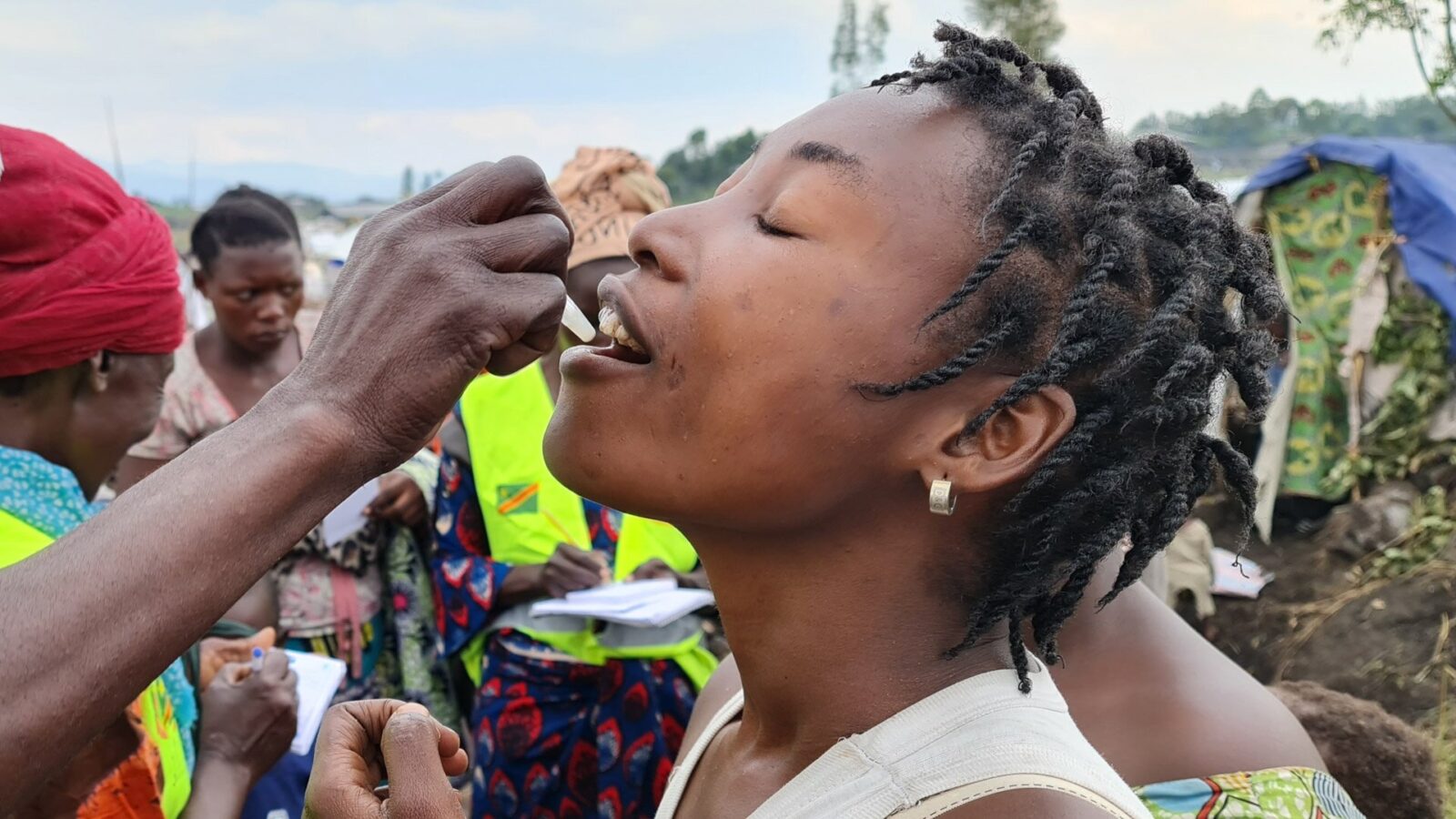
WHO’s rapid intervention included the delivery of seven tons of cholera medicines and emergency kits, the establishment of treatment centers in Mbamou, Mossaka, and Talangaï, and the training of 172 health workers in case management and infection prevention. Additionally, 250 community health relays were trained to spread awareness on preventive measures, while a speedboat was provided to improve transportation between Mbamou Island and Brazzaville. WHO also oversaw the disinfection of 61 wells and several health facilities, critical steps in preventing the further spread of the waterborne disease.
Local health leaders highlighted the impact of these interventions. Dr. Nelson Bokale, chief medical officer of Mbamou Island’s health district, said the arrival of WHO’s surge team transformed the response. “Before the support arrived, we did what we could with limited resources. The surge support team was a turning point, strengthening our efforts and allowing us to organize a more structured response,” he explained.
WHO’s efforts went beyond treatment centers, extending to epidemiological surveillance, active case finding, and the establishment of safe water systems in cholera treatment units. Specialists in infectious diseases, logistics, water and sanitation, and risk communication were deployed to reinforce the response. These coordinated actions quickly began to show results: on Mbamou Island, the fatality rate dropped from 11.7% to 4.8% within just two weeks. By August 15, 2025, only 12 active cases remained on the island, with five patients hospitalized and seven under outpatient care.
Dr. Vincent Dossou Sodjinou, WHO’s Representative in Congo, expressed cautious optimism during a field visit. “The trend of the outbreak is declining. Health workers are active, treatment centers are operational, and communities are better informed. We commend the collaboration between the government and WHO, which enabled a rapid and effective response,” he said.
Complementing WHO’s efforts, partners repaired boreholes, distributed water purification tablets to over 1,300 households, and installed handwashing stations in affected areas. Public awareness campaigns also reached thousands of families, reinforcing the importance of early treatment and hygiene measures.
Now fully recovered, Angèle has transformed from patient to advocate, urging her community to act quickly if symptoms arise. “I tell everyone that if they feel sick, they should not stay at home. They must go to the health center for treatment,” she said with determination, highlighting the growing community-led fight against cholera.
The Republic of Congo’s battle with cholera is far from over, but with strengthened health systems, international support, and local resilience, the country is steadily pushing back against the outbreak and saving lives.






Leave a comment