


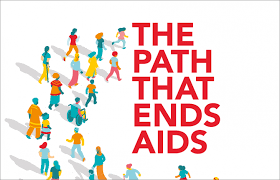
Rwanda has emerged as a global leader in the fight against HIV/AIDS, achieving the ambitious UNAIDS 95-95-95 targets well before the 2030 deadline. The country has successfully reduced new HIV infections by 82 percent and AIDS-related deaths by 86 percent, setting a benchmark for other nations in sub-Saharan Africa and worldwide. According to the Rwanda Biomedical Centre (RBC), this historic progress is the result of strong government commitment, innovative community-driven strategies, and a healthcare system that prioritizes bringing services closer to the people.
Dr. Gallican Rwibasira, Division Manager for HIV, STIs, Viral Hepatitis and Other Viral Diseases at RBC, credited the achievement to a combination of political will, community engagement, data-driven interventions, and dedicated healthcare providers at every level. “The government has focused on taking HIV services closer to the people, making testing and treatment easier to access, and integrating HIV care into general health services. This progress didn’t happen by chance; it reflects years of coordinated efforts,” he said.
The UNAIDS 95-95-95 initiative sets a global goal for 95 percent of people living with HIV to know their status, 95 percent of those diagnosed to be on antiretroviral therapy (ART), and 95 percent of those on treatment to achieve viral suppression. Rwanda has met and even surpassed these goals, with more than 94 percent of people living with HIV on ART and 95 percent of them achieving suppressed viral loads. Testing is widely available through health centers, community outreach, and index testing, though experts note that new strategies are needed to identify undiagnosed individuals.
Retention rates are equally impressive, with 94.5 percent of patients still in care 12 months after starting ART. However, challenges remain in keeping young men, particularly those aged 15 to 24, engaged in long-term treatment. “Young people, especially teenage boys, are still being left behind. We need to understand their challenges and design services that fit their needs and lifestyles,” Dr. Rwibasira emphasized.
Rwanda’s success is also tied to integrating HIV services with care for other chronic conditions. With projections showing that by 2025, nearly 30 percent of people living with HIV will be over 50, the country is adapting its healthcare approach to address age-related illnesses such as high blood pressure and diabetes alongside HIV management.
Despite the progress, the fight is far from over. Stigma, discrimination, and gender inequality continue to limit access to testing and treatment, especially for adolescent girls and young women who face heightened vulnerability due to gender-based violence. To expand prevention efforts, Rwanda has rolled out both oral and injectable pre-exposure prophylaxis (PrEP), with more than 10,000 people nationwide already using oral PrEP and injectable PrEP is gaining acceptance among key populations.
This achievement aligns with Rwanda’s National HIV Strategic Plan 2024–2027, the Health Sector Strategic Plan, and the Sustainable Development Goals, supported by partnerships with civil society, donors, and international organizations. The country’s comprehensive approach combines multi-month ART refills, mobile clinics, community drug distribution, and peer-led initiatives to make care more accessible and reduce barriers for vulnerable populations.
Dr. Rwibasira reaffirmed Rwanda’s commitment to sustaining high rates of viral suppression, reducing new infections among high-risk groups, adapting services for older adults, and addressing social barriers to care. “Ending AIDS is within reach, but it will require sustained investment, innovation, and a continued focus on equity. Rwanda’s progress shows what is possible when political commitment, data, and community engagement come together,” he said.
Rwanda’s achievement not only marks a milestone for the country but also serves as a model for the rest of Africa and the world in the global effort to end AIDS as a public health threat by 2030.










Leave a comment