


At the 2025 International AIDS Society (IAS) Conference held in Kigali, Rwanda, and virtually, leaders from around the world sounded a critical alarm: while science is driving unprecedented breakthroughs in HIV prevention and treatment, a mounting global funding crisis threatens to reverse hard-won progress. Dr. Beatriz Grinsztejn, IAS President and conference co-chair, called it “a pivotal time for the HIV response,” marked by both revolutionary medical advancements and deeply troubling political and financial setbacks.
The conference spotlighted game-changing tools like long-acting PrEP (pre-exposure prophylaxis), innovative antiretroviral therapy (ART) regimens, mRNA-based cure research, and community-led monitoring, evidence of a transformed HIV landscape. These innovations promise to shift the epidemic’s trajectory and make HIV prevention and treatment more accessible, discreet, and people-centered.
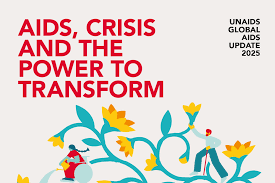
However, a recent UNAIDS report revealed that abrupt cuts in global donor funding, particularly from key players like the United States, are putting millions of lives at risk. Without urgent investment, the world could see six million new HIV infections and four million AIDS-related deaths by 2029.
Despite the scientific momentum, deepening inequalities, weakening political will, and declining global funding are placing unprecedented pressure on African researchers and HIV response programs, especially in low- and middle-income countries. Dr. Grinsztejn emphasized that science must remain the cornerstone of the global HIV strategy. “It was science that gave us antiretroviral therapy, PrEP, PEP, and U=U. It is science that must now lead us to long-acting injectables, effective vaccines, and ultimately, a cure,” she said.
The call to action from Kigali was clear: protecting scientific progress demands immediate and sustained financial investment. Health institutions, independent researchers, and community-driven initiatives need global support to ensure that innovations reach the people who need them most. Without that backing, the world risks grounding a movement that has soared on the wings of science and leaving millions behind










Leave a comment