


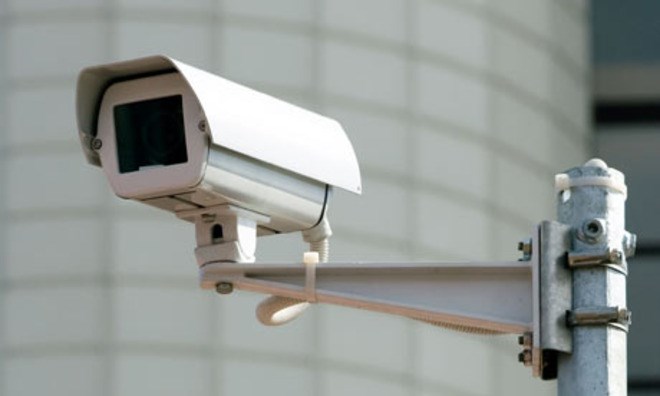
In Mogadishu, the capital of Somalia, shop owners find themselves in a perilous situation due to a government directive requiring them to install CCTV cameras outside their businesses. This mandate aims to enhance surveillance and deter attacks by al-Shabab, an Islamist insurgent group with significant influence in the city.
Businessmen are trapped between two dangerous choices: comply with the government’s order and risk retaliation from al-Shabab, or ignore it and face legal consequences. The identities of those involved have been anonymized for their safety.
One former shop owner, referred to as Hamza Nuur, shared his ordeal, explaining how the installation of CCTV cameras led him to abandon his business. “The CCTV cameras are why you now see me at home,” Nuur, now 48, remarked while holding one of his children. He highlighted the impossible choice between al-Shabab’s threats and government mandates, stating, “You’re told not to remove the cameras by one side and then you’re told to remove the cameras by the other side. Depending on the choice you make, you’ll either have a bullet or prison cell waiting for you.”
Launched last year, the directive requires shop owners to finance the installation of these surveillance systems themselves. The deputy mayor claims the initiative has reduced bombings in the city, stating, “There used to be four or five bombings per month in Mogadishu but that’s no longer the case.” However, this has expanded to include residents installing cameras at homes, increasing fears of personal attacks by al-Shabab.
Since October, violence has escalated with al-Shabab targeting four businessmen in 10 attacks related to CCTV installations, according to the Armed Conflict Location & Event Data (Acled). These attacks have led to temporary closures of many businesses in Mogadishu’s markets, disrupting local commerce.
Nuur recounted his personal encounters with intimidation after installing a camera, including threatening phone calls and a direct confrontation by an armed individual. The pressure culminated in his decision to sell his business after witnessing the murder of two fellow shopkeepers.
Contrarily, the deputy mayor denies mass business closures or forced installations, insisting the city remains calm with smooth business operations. However, stories like that of Asiyo Mohamed Warsame, who lost her brother to al-Shabab after he installed cameras, paint a different picture. Another shopkeeper, Ismael Hashi, describes living in constant fear, with the CCTV still in place but no guarantee of safety from the government.
Sidow Abdullahi Mohamed shared his experience of being arrested for not installing a camera at home, highlighting the community’s sentiment of being caught in a conflict not of their making, questioning, “As civilians we’re forced to buy the cameras, pay to install them in our homes and risk violence from al-Shabab. Is this how the government expects to win hearts and minds?”
This situation in Mogadishu underscores the complex security and governance challenges faced by ordinary citizens in conflict zones, where even measures meant for safety can inadvertently fuel further violence.











Leave a comment