


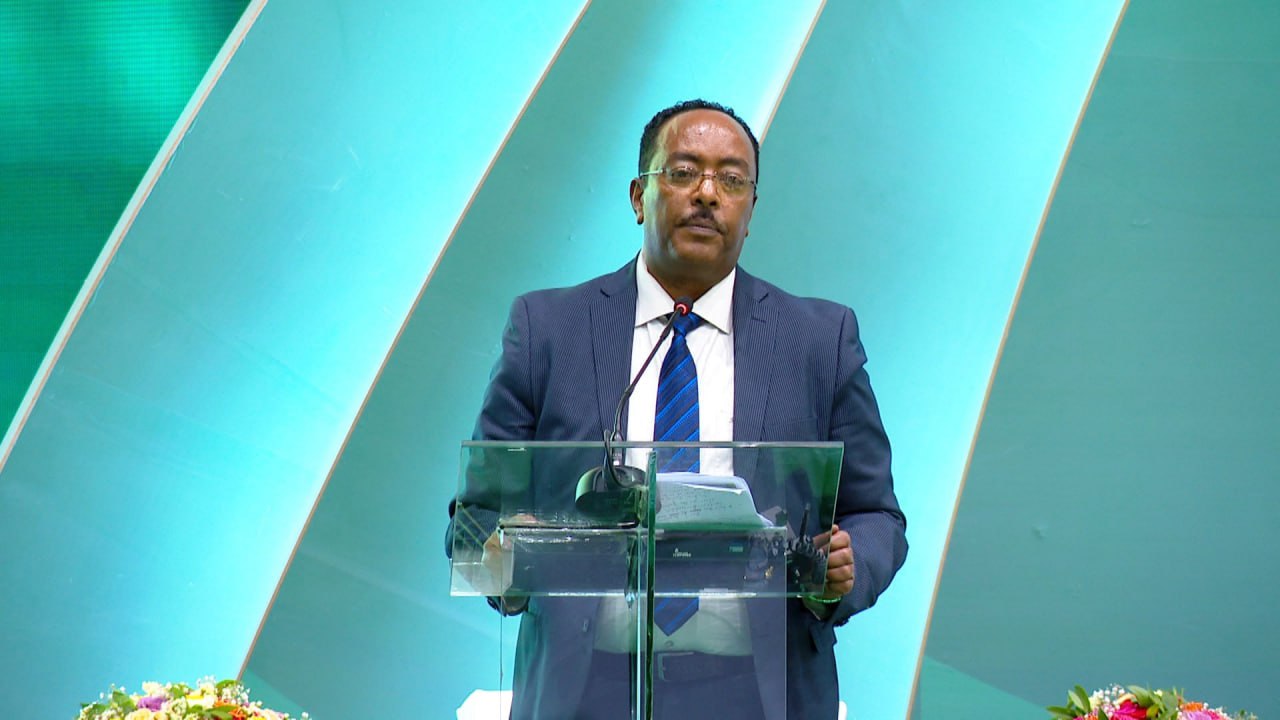
Ethiopia’s Intelligence and Security Service Chief, Redwan Hussien, has called for the formulation and implementation of a comprehensive Pan-African defense force strategy. Speaking at the inaugural African Defense Ministers Conference in Addis Ababa, Hussien emphasized the critical need for African nations to unite in addressing security threats that jeopardize the continent’s stability and prosperity.
The Urgency of a Unified Defense Strategy
Hussien’s address underscored the urgency of developing a unified defense framework that is uniquely tailored to Africa’s needs. He argued that reliance on foreign powers to tackle the continent’s security challenges is not a sustainable solution. “We should not rely on foreign powers to address the challenges that Africa is facing. The key to solving the problem is in our hands,” he stated. This perspective reflects a growing sentiment among African leaders that the continent must take ownership of its security dynamics.
The need for a Pan-African defense strategy is becoming increasingly pressing as threats evolve. Terrorist organizations, violent extremism, and geopolitical tensions are not only destabilizing individual nations but also posing risks to regional security. A unified defense force would enable African countries to coordinate efforts, share intelligence, and respond more effectively to emerging threats.
Investing in African Military Capacity
Central to Hussien’s call is the emphasis on investing in indigenous military technology and training. By reducing dependence on foreign imports, African nations can develop self-reliance and bolster their defense capabilities. “Africa needs to invest in its own military technology and training,” Hussien asserted, highlighting the importance of nurturing local expertise and fostering innovation within the defense sector.
Building a robust military infrastructure requires significant investment and commitment from African governments. This includes not only funding but also establishing partnerships among member states to share knowledge and resources. Collaborative efforts in defense research and development can lead to advancements in military capabilities that are tailored to the unique challenges faced by African nations.
Fostering Trust and Cooperation
Hussien emphasized that a successful Pan-African defense force will hinge on building trust among member states. The importance of peaceful conflict resolution and equitable resource utilization cannot be overstated. “The pan-African defense force requires trust, peaceful conflict resolution, and fair resource utilization to foster unity and avoid internal conflicts,” he noted.
A cooperative approach to security can help mitigate tensions between nations and promote a sense of collective responsibility for safeguarding the continent. Trust-building measures, such as joint military exercises and collaborative training programs, can enhance interoperability among African forces, enabling them to respond cohesively to security threats.
Addressing Regional and External Security Challenges
The call for a Pan-African defense strategy is underscored by the acknowledgment that no single nation can effectively tackle the multifaceted security challenges facing the continent. “No one can alone address the regional and external security problems that occur in Africa,” Hussien pointed out. This sentiment reflects a growing understanding that collaborative security efforts are essential for achieving lasting peace and stability.
Regional organizations, such as the African Union (AU) and regional economic communities, play a vital role in facilitating cooperation and coordination among member states. Strengthening these institutions and empowering them to take a more active role in security matters can enhance Africa’s ability to respond to crises swiftly and effectively.
The Role of the African Union
The African Union has been at the forefront of efforts to establish a collective security framework for the continent. Initiatives such as the African Standby Force aim to create a rapid response capability to address conflicts and humanitarian crises. However, for these initiatives to be successful, they require the political will and commitment of member states to prioritize collective security.
As Hussien pointed out, African countries must take charge of their security landscape. The successful implementation of a Pan-African defense strategy will depend on strong leadership, collaboration, and a shared vision for peace and security across the continent.










Leave a comment