


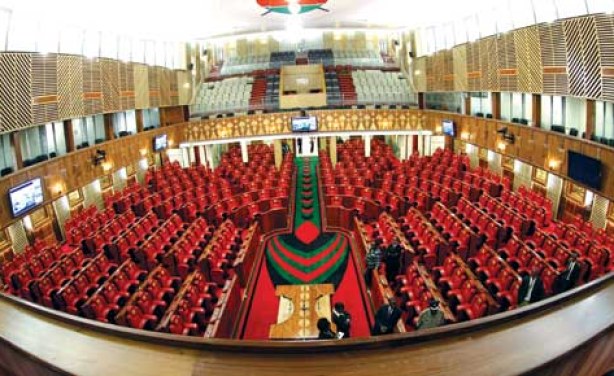
The Kenyan Senate has decisively rejected President William Ruto’s proposal to reduce the shareable revenue to counties by Sh20 billion. This critical decision has now set the stage for mediation with the National Assembly, following senators’ refusal to approve the proposed reduction of shareable revenue from Sh400.1 billion to Sh380 billion.
In a recent vote, 28 senators supported maintaining the original allocation stipulated in the Division of Revenue Bill, despite backing for the cut from their counterparts in the National Assembly. This stance underscores the ongoing fiscal tug-of-war between the two houses regarding resource allocation and financial policy.
The push to retain the funding level emerged after the chairperson of the Senate Committee on Finance and Budget, Ali Roba, introduced amendments aimed at keeping the shareable revenue at Sh400.1 billion. However, Roba proposed a corresponding reduction in the total sharable revenue allocated to the national government, suggesting a decrease from Sh2.6 trillion to Sh2.2 trillion. This move reflects the Senate’s commitment to safeguarding county allocations while addressing broader fiscal constraints.
In his address, Roba emphasized the importance of protecting county finances in light of the national revenue shortfalls, clarifying that the committee had discarded a proposal that would have required both counties and the national government to absorb revenue deficits. He described this measure as untenable, reiterating the Senate’s resolve to shield counties from potential financial repercussions.
The backdrop to this legislative tussle involves President Ruto’s earlier memorandum, which called for a revision of the County Allocation of Revenue Bill. The President’s request to cut allocations for the Financial Year 2024/2025 was framed as an austerity measure necessary to manage the ongoing financial crisis in the country. The proposed Sh380 billion figure represented a Sh5 billion decrease compared to the previous fiscal year’s allocation of Sh385 billion.
The Council of Governors (CoG) has vocally opposed the President’s proposal, warning that reducing the counties’ equitable share would significantly hinder service delivery. The CoG has argued that the allocated funds are already insufficient, particularly given that initial discussions had indicated a higher figure of Sh415.9 billion, which was later reduced during mediation between the two parliamentary houses. The governors have called for the full allocation, emphasizing the need to meet the counties’ proposed figure of Sh439.5 billion to ensure effective governance.
Treasury Cabinet Secretary John Mbadi faced scrutiny during discussions with the Senate Finance and Budget Committee regarding the rationale behind the proposed cut. He explained that a significant drop in projected national revenue for the financial year 2024/25, estimated at Sh346 billion, had necessitated the government’s request for a reduction in county allocations.
The ongoing discussions reflect the intricate dynamics of governance and resource allocation in Kenya, where fiscal decisions have far-reaching implications for local service delivery and overall development. As mediation continues between the Senate and the National Assembly, the outcome will be crucial in shaping the financial landscape for counties in the upcoming fiscal year.









Leave a comment