



Nigeria has evacuated its first confirmed Ebola patient in the current outbreak to Switzerland for further treatment, while health authorities continue monitoring people who may have been exposed to the virus.
The 42-year-old woman, who holds Swiss citizenship and is married to a Swiss diplomat based in Abuja, departed Nigeria on Monday, October 26, after her condition improved following treatment by Nigerian medical teams. She was diagnosed with the Bundibugyo strain of Ebola virus disease, the Federal Government confirmed.
Coordinating Minister of Health and Social Welfare Muhammad Ali Pate said the patient was stable, conscious and communicating before the evacuation, with laboratory results approaching baseline levels. He cautioned, however, that clinical improvement did not necessarily mean she was no longer infectious.
Swiss authorities confirmed that the patient arrived safely and was receiving treatment at Geneva University Hospitals. Her husband, who had no symptoms, was placed in isolation at University Hospital Zurich, with Swiss authorities taking responsibility for his monitoring as a close contact.
The Nigeria Centre for Disease Control and Prevention (NCDC) initially identified 53 contacts linked to the confirmed case. They included healthcare workers, domestic staff and the patient’s husband, as authorities worked to identify and monitor people who might have been exposed.
The World Health Organization’s Regional Director for Africa, Mohamed Janabi, said Nigeria had no known active Ebola cases following the evacuation of the patient and her husband. He said Nigerian authorities would continue monitoring 52 contacts, while Switzerland would follow up with the husband, identified as contact number 53.
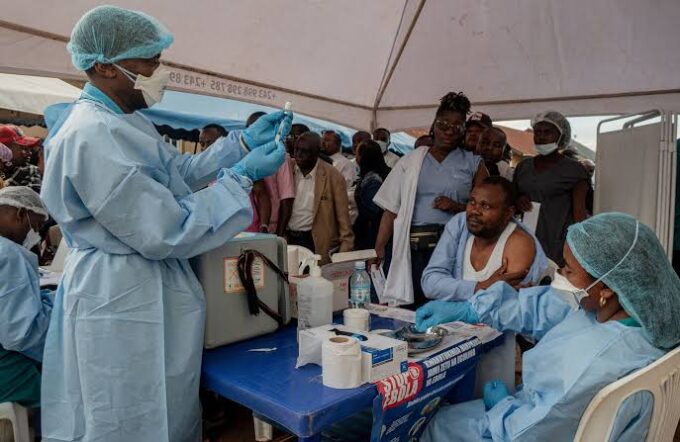
The response remains active, with Nigerian health authorities continuing contact monitoring, investigating suspected cases and strengthening surveillance. The NCDC has urged residents to rely on official health updates and cooperate with public health teams.
The patient arrived in Abuja on October 3 after travelling from Uganda through Addis Ababa. She developed symptoms several days later and sought treatment at private health facilities before the NCDC was notified on October 19. Laboratory testing confirmed Ebola on October 20.
Nigeria’s case was the country’s first confirmed Ebola infection in more than a decade and was linked to the wider regional outbreak of the Bundibugyo strain. The strain has affected countries including the Democratic Republic of the Congo and Uganda, prompting heightened surveillance and cross-border public health measures.
Ebola spreads through direct contact with the blood or other bodily fluids of an infected person, or with contaminated materials. People identified as contacts are monitored because symptoms can develop during an incubation period of up to 21 days.
The evacuation removes the confirmed patient from Nigeria, but it does not end the need for surveillance. Authorities say continued monitoring, rapid investigation of alerts and cooperation with public health teams remain essential to prevent further transmission.









Leave a comment