


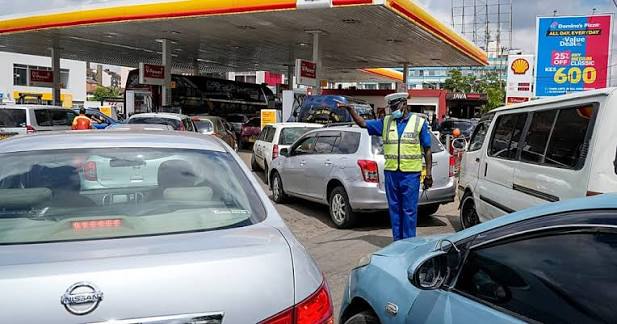
Kenya has increased the maximum retail prices of petrol, diesel and kerosene following a sharp rise in imported fuel costs linked to the ongoing conflict in the Middle East, adding pressure on households and businesses already facing elevated living expenses.
The Energy and Petroleum Regulatory Authority (EPRA) announced the new prices on October 14, with the revised rates taking effect from October 15 through November 14, 2026. The regulator attributed the increases to higher international petroleum prices and disruptions affecting global supply chains.
Under the new pricing schedule, Nairobi motorists will pay a maximum of 226.96 Kenyan shillings per litre for super petrol, up from 214.03 shillings. Diesel has risen to 227.76 shillings per litre from 217.86 shillings, while kerosene has increased to 219.87 shillings from 191.36 shillings.
The increases amount to 12.93 shillings per litre for petrol, 9.90 shillings for diesel and 28.51 shillings for kerosene, making kerosene the fuel with the largest absolute price increase.
EPRA Director General Edward Mwirigi Kinyua said September had recorded the highest fuel import costs since the Middle East crisis began, reflecting the impact of international market volatility on Kenya’s petroleum supply.
The average landed cost of imported super petrol increased by 11.81 per cent, from $874.26 per cubic metre in August to $977.55 in September. Diesel import costs rose by approximately 11.32 per cent, while kerosene costs increased by 9.41 per cent.
The landed cost represents the expense of purchasing and bringing refined petroleum products into Kenya. It is influenced by international product prices, freight, insurance and other supply-related charges.
Kenya imports nearly all its petroleum requirements in refined form, leaving the country exposed to disruptions in international markets. Conflict affecting the Middle East, a major energy-producing region and an important source of petroleum supplies, has increased uncertainty over prices and shipping costs.
The latest price adjustments are expected to affect transport operators, manufacturers, farmers and households that depend on petroleum products for mobility, production and domestic energy.
Higher diesel costs can increase the expense of moving food and other goods across the country, while rising petrol prices can place additional pressure on public transport operators and private motorists. The sharp increase in kerosene prices is particularly significant for households that rely on it for cooking and lighting.
These additional costs could feed into prices across the wider economy, although the eventual impact on inflation will depend on how businesses respond and whether other costs, including food prices, ease.
Kenya’s fuel price increases have also drawn attention to the country’s vulnerability to external economic shocks and the importance of maintaining reliable supplies at affordable prices.
The government has extended a reduction in the value-added tax rate on fuel to 8 per cent from 16 per cent until January 14, 2027, according to reporting on the latest regulatory announcement. The measure is intended to cushion consumers against some of the pressure from rising international costs.
However, the tax reduction has not prevented pump prices from increasing as import costs have risen.
The latest review highlights the difficulty facing fuel-importing economies when geopolitical tensions push up international energy prices. For Kenya, the immediate challenge is managing the impact on household purchasing power and business operating costs while maintaining stable petroleum supplies.
The extent to which the increases affect transport fares, food prices and broader inflation will become clearer as businesses adjust to the new pricing cycle.












Leave a comment