


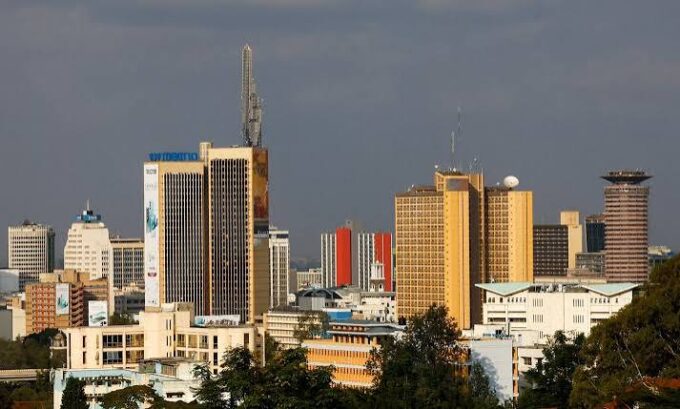
Kenya has confirmed its first case and death from Ebola after a Kenyan citizen who had been living in the Democratic Republic of Congo died in Nairobi, prompting authorities to intensify contact tracing and surveillance measures.
Health Cabinet Secretary Aden Duale said Tuesday that the patient tested positive for the Bundibugyo strain of Ebola after arriving in Kenya from Uganda on Oct. 3. The patient had lived in the DRC for seven years and had fallen ill about a month before returning to Kenya.
According to the Ministry of Health, the patient travelled by road from the DRC to Kampala, Uganda, before boarding a Jambojet flight to Nairobi. He underwent routine health screening at Jomo Kenyatta International Airport before being taken directly to Nairobi Hospital by relatives and friends.
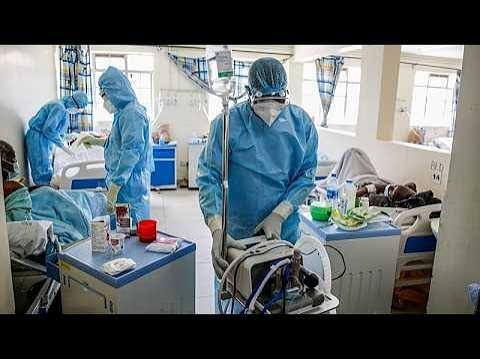
At the hospital, the patient was isolated after developing symptoms including fever, chills, severe fatigue and weakness, muscle pain, painful swallowing, sore throat and bleeding under the skin. Medical tests subsequently confirmed Ebola infection. He died at about 11:30 p.m. Monday despite receiving supportive treatment.
Authorities have so far identified 28 people who had direct contact with the deceased, including family members and healthcare workers who attended to him. The government is also tracing 23 passengers and four crew members who travelled on the same flight from Kampala to Nairobi.
Duale said arrangements had been made to quarantine people considered at risk while health officials continue monitoring them for symptoms. He also said only one Ebola test has so far returned positive in Kenya, belonging to the deceased patient.
Kenyan health authorities have expanded surveillance and laboratory testing following the confirmation. The Ministry said 276 samples had been tested across five laboratories, including facilities operated by the Kenya Medical Research Institute and mobile laboratories deployed near the country’s western borders.
The case is linked to an Ebola outbreak in eastern DRC caused by the relatively rare Bundibugyo virus. The outbreak, declared in May, has become the largest recorded outbreak of the strain, with more than 8,000 cases and more than 4,000 deaths reported in the DRC.
The outbreak had earlier spread to Uganda, which recorded 20 cases and two deaths before the World Health Organization declared the country free of Ebola in August. Kenya is now the latest country outside the DRC to report an infection linked to the regional outbreak.
Ebola is transmitted through direct contact with the blood or other bodily fluids of an infected person or through contaminated materials. The Bundibugyo strain currently has no approved vaccine or specific treatment, although vaccine and treatment trials are under way in the DRC.
Kenyan authorities had already strengthened disease surveillance at airports and land border crossings because of the outbreak in neighbouring countries. The government has also increased laboratory capacity and trained health workers to improve the country’s ability to detect and respond to suspected cases.
The confirmation of Kenya’s first Ebola case places additional pressure on regional health systems as authorities work to trace exposed individuals and prevent further transmission. The effectiveness of the contact tracing and monitoring operation will be critical to containing the disease before additional cases emerge.









Leave a comment