


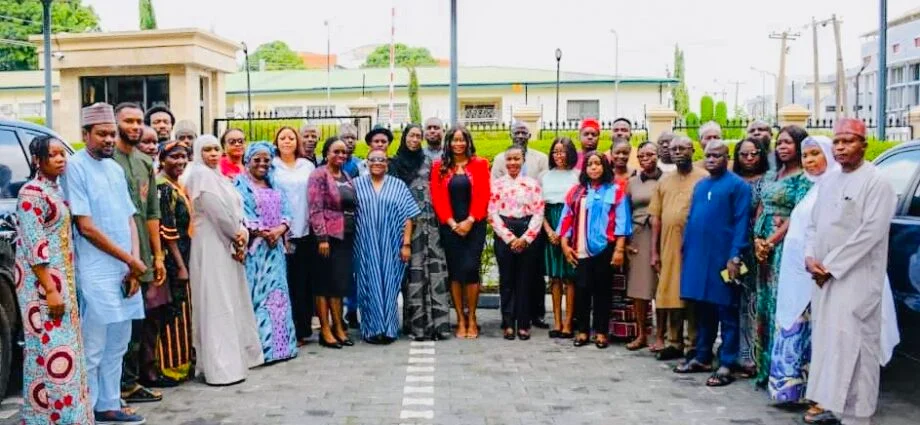
The Sustainable Urban and Rural Water Supply, Sanitation and Hygiene (SURWASH) programme has trained communication officers to enhance their storytelling skills, with a focus on improving public awareness and promoting the impact of water, sanitation and hygiene (WASH) initiatives.
The capacity-building workshop brought together communication professionals from participating institutions to strengthen their ability to develop compelling, evidence-based stories that highlight project achievements, community impact and best practices in the WASH sector.
Programme officials said effective storytelling is essential for increasing public understanding of water and sanitation initiatives, encouraging behavioral change and showcasing the positive outcomes of investments in clean water and hygiene services.
Participants received training on strategic communication, digital storytelling, content development, photography, video production and the use of social media to engage diverse audiences. The programme also emphasized the importance of using accurate data and human-interest stories to communicate development outcomes.
According to SURWASH, stronger communication strategies can help improve stakeholder engagement, attract partnerships and ensure greater transparency and accountability in project implementation.
Development experts note that storytelling has become an important tool in development communication, enabling organizations to translate technical information into relatable narratives that demonstrate the real-life impact of public programmes.
They add that effective communication can strengthen public trust, encourage community participation and support policy advocacy by highlighting how improved access to clean water, sanitation and hygiene contributes to better health, education and economic productivity.
The SURWASH programme is designed to expand access to sustainable water supply, sanitation and hygiene services while strengthening institutional capacity across participating states. Analysts say building the communication skills of project officers will help ensure that lessons learned and success stories are effectively shared with policymakers, development partners and the public.
Observers believe the training marks another step toward enhancing the visibility and impact of WASH initiatives in Nigeria, with improved storytelling expected to support greater awareness, stakeholder collaboration and long-term sustainability of development programmes.










Leave a comment