


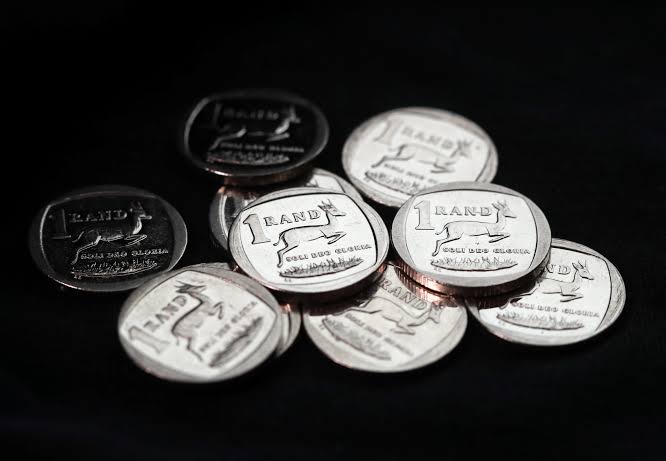
The South African rand traded largely unchanged as investors monitored developments surrounding potential negotiations involving Iran, with market sentiment remaining cautious ahead of any breakthrough that could influence global energy markets.
Currency traders said the rand moved within a narrow range as markets awaited clearer signals on the prospects of an agreement that could affect oil supplies, inflation expectations and broader investor risk appetite.
Analysts note that the rand, like many emerging market currencies, is highly sensitive to global geopolitical developments, commodity prices and shifts in investor confidence. Any progress toward easing tensions involving Iran could influence crude oil prices, with potential implications for inflation and financial markets worldwide.
Lower oil prices resulting from increased global supply could benefit oil-importing countries such as South Africa by reducing fuel import costs and easing inflationary pressures. Conversely, prolonged uncertainty or escalating geopolitical tensions could support higher energy prices and increase market volatility.
Investors are also keeping a close watch on global monetary policy, particularly expectations for interest rate decisions by major central banks. Changes in global borrowing costs often influence capital flows into emerging markets and can affect the performance of currencies such as the rand.
Domestically, South Africa continues to face economic challenges, including modest growth, infrastructure constraints, electricity supply concerns and unemployment. Economists say these factors, alongside international developments, continue to shape investor sentiment toward the country’s financial markets.
Market experts add that movements in precious metal prices, particularly gold and platinum—two of South Africa’s key exports—also play an important role in supporting the rand and the broader economy.
Financial analysts expect the rand to remain sensitive to geopolitical headlines, commodity price movements and global risk sentiment in the near term. They note that sustained policy certainty, structural economic reforms and improved investment conditions will be important in strengthening the currency over the longer term.
As markets await further developments, investors are expected to remain cautious, balancing geopolitical risks with economic data and monetary policy signals that could shape the direction of the rand and other emerging market currencies in the weeks ahead.











Leave a comment