


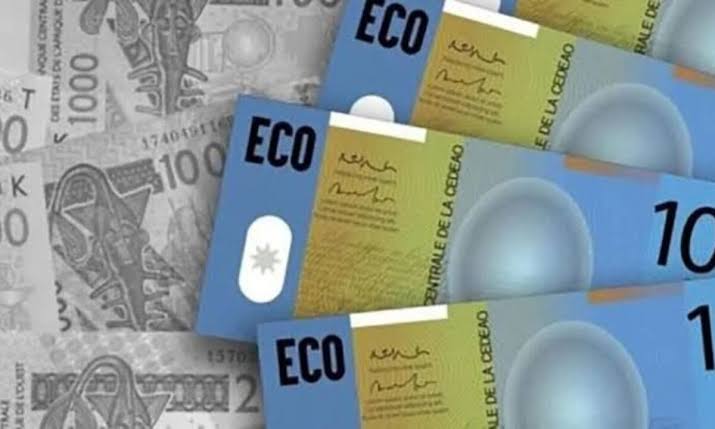
Guinea has announced that it will not participate in the planned Economic Community of West African States (ECOWAS) single currency, known as the Eco, citing the need to maintain its independent monetary policy and economic priorities.
Government officials said the decision reflects Guinea’s assessment of its current economic conditions and long-term fiscal strategy. The country will continue using the Guinean franc while pursuing domestic economic reforms aimed at maintaining macroeconomic stability and supporting national development.
The Eco is a long-standing ECOWAS initiative designed to promote regional economic integration by introducing a common currency among member states. Proponents argue that a shared currency could facilitate cross-border trade, reduce transaction costs and strengthen economic cooperation across West Africa.
However, the project has faced repeated delays as member states work to meet convergence criteria, including targets for inflation, fiscal deficits, public debt and foreign exchange reserves. Differences in economic performance and monetary policies among ECOWAS countries have complicated efforts to launch the currency.
Guinea’s decision highlights the varying approaches adopted by member states toward regional monetary integration. While the country remains a member of ECOWAS, officials indicated that maintaining control over national monetary policy is viewed as important for responding to domestic economic challenges.
Economists note that adopting a common currency requires participating countries to surrender a degree of control over monetary policy in exchange for greater regional integration. They say countries must demonstrate sustained macroeconomic stability before joining a monetary union to reduce the risk of economic imbalances.
Trade experts observe that although a common currency could boost intra-regional commerce and investment, its success would depend on strong fiscal discipline, coordinated economic governance and effective regional institutions. They also stress the importance of improving infrastructure and removing non-tariff barriers to maximize the benefits of regional integration.
Guinea’s decision comes as ECOWAS continues discussions on the future of the Eco amid broader efforts to strengthen economic cooperation, trade and financial integration in West Africa.
Analysts say the country’s position underscores the challenges of establishing a regional monetary union among economies with differing levels of development and policy priorities. They add that continued dialogue among ECOWAS members will be essential to advancing regional integration while accommodating the diverse economic circumstances of participating states.









Leave a comment