


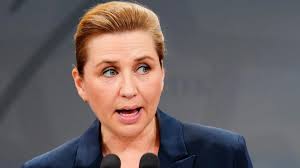
Denmark is heading into a closely watched parliamentary election dominated by debates over the economy, Greenland’s geopolitical importance, and a controversial proposal to introduce a wealth tax.
Economic concerns are central to the campaign, with voters focused on rising living costs, inflation, and long term growth prospects. While Denmark maintains a strong welfare model and one of the highest tax levels globally, pressure on household finances and fears of slowing industrial competitiveness have shaped political messaging across parties.
A key flashpoint is Prime Minister Mette Frederiksen’s proposal to introduce a 0.5 percent wealth tax on the country’s richest citizens. The plan, aimed at reducing inequality and funding public services such as education, has divided opinion. Supporters argue it promotes fairness and social cohesion, while critics warn it could drive investment out of Denmark and weaken the business environment.
Greenland has also emerged as a major election issue, largely due to renewed international attention on the Arctic territory. Tensions linked to past US interest in acquiring Greenland have elevated its strategic importance, with debates focusing on sovereignty, security, and Denmark’s relationship with the semi autonomous island. Greenlandic representatives are using the moment to push for greater influence and economic leverage within the Danish realm.
The election is therefore unfolding at the intersection of domestic economic policy and global geopolitics. Analysts say the outcome could shape not only Denmark’s fiscal direction but also its stance on Arctic strategy and relations with allies. With no clear majority expected, coalition negotiations are likely to play a decisive role in determining how these key issues are addressed in the next government.








Leave a comment