


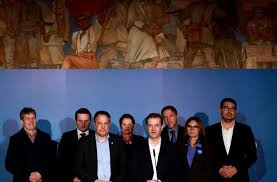
Slovenia is heading toward complex coalition negotiations after a tightly contested parliamentary election left no party with a clear majority, setting the stage for potentially prolonged political bargaining.
Preliminary results show Prime Minister Robert Golob’s liberal Freedom Movement narrowly ahead of former prime minister Janez Janša’s right wing Slovenian Democratic Party, but both blocs remain short of the 46 seats required to form a government in the 90 seat parliament.
The near tie means smaller parties are now expected to play a decisive role in determining who forms the next government, with coalition building likely to involve multiple partners and compromise on key policy areas. Analysts say the fragmented outcome reflects deep political divisions in the country and signals that negotiations could be lengthy and complex.
Golob has expressed confidence in assembling a governing coalition and maintaining a pro European and reform focused agenda, while Janša has indicated he may challenge aspects of the vote and push for influence in any potential power arrangement.
The election has been widely viewed as pivotal for Slovenia’s political direction, with voters effectively choosing between a liberal, EU aligned path and a more nationalist, conservative approach.
With no outright winner, attention now shifts to negotiations among parties that could ultimately determine the country’s leadership, policy direction, and stability in the coming years.







Leave a comment